Do bear with me while I update the site
to the new
ap_expr parser.
Some features which I found useful are
no longer available under SSI, and I am
finding the challenge stimulating.
I am revising my link organization and
some categories may be missing links,
but all the pdf files remain, and may
be browsed easily.
Still, evey item on this site is either
copyright free or something I have created
myself.
Creative Commons or Public Domain Content
In this poem, Samuel Johnson (North American, 19th century,
not English, 18 century) labels God's presence as
mysterious, and dear.  The first verse labels us
mortals as weak and waiting for revelation of trust, strength
and calmness. The conceit is that God's love is a
warm flame of love (kindling love, repeated in the last verse)

The meat of the poem is in the second and third verse.
We have experienced doubt and sorrow, but there is
a purpose to this, each step is part of a progression,
and God sustains us through the purpose of each day.

In fact, even though we may experience despair (modern
times would call it clinical depression or drug dependency
or financial hardship), there is  a serene, holy peace that
abides in a subluminal space inside each of us, and it
is the prayer of this poem that we realize this peace
which is stronger than the momentary agony, and we may
be still.

In the last verse, the metaphor of God's love as being
something which takes fire in us (thus elavating it from
metaphor to conceit) is that the love strengthens us,
and calms us for the agonies of our lives.
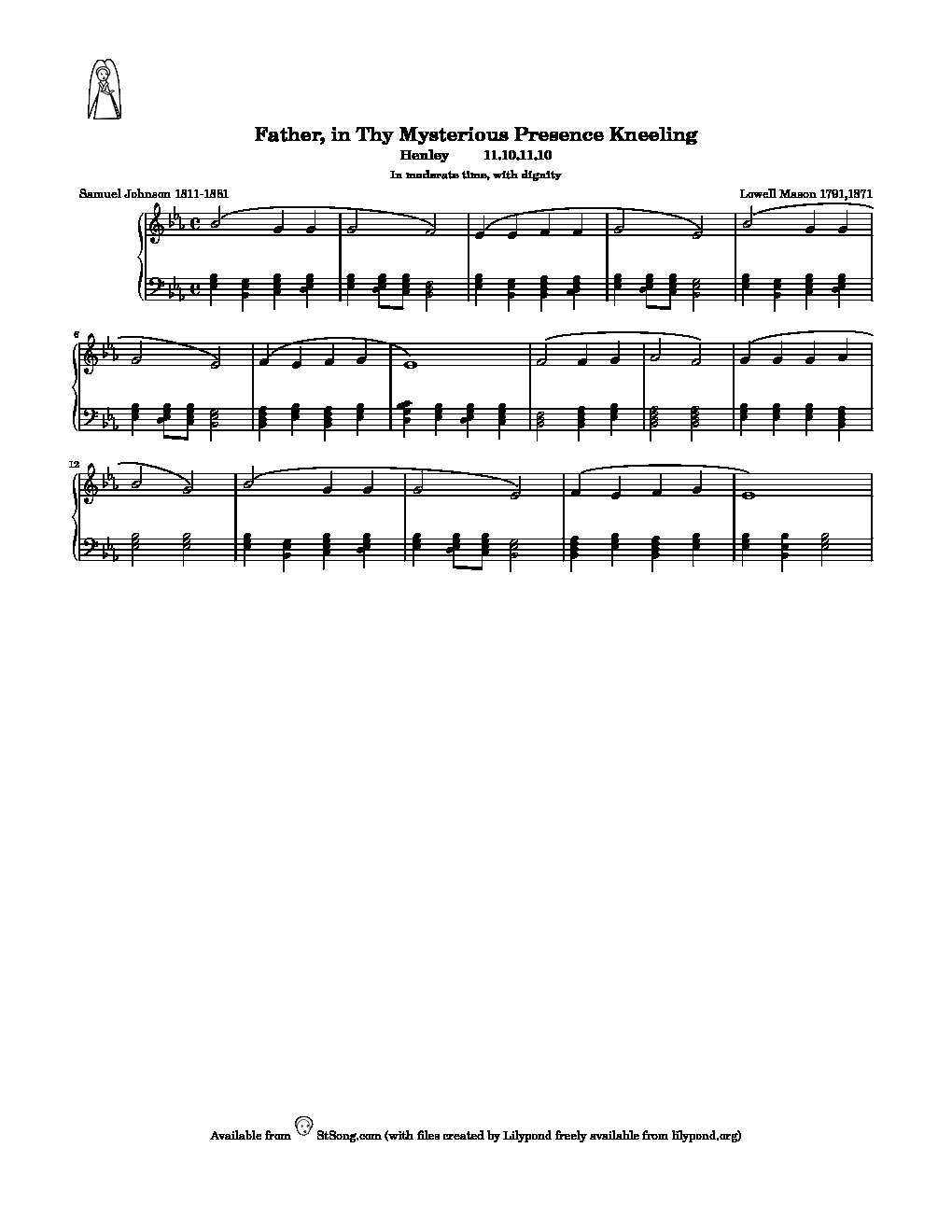
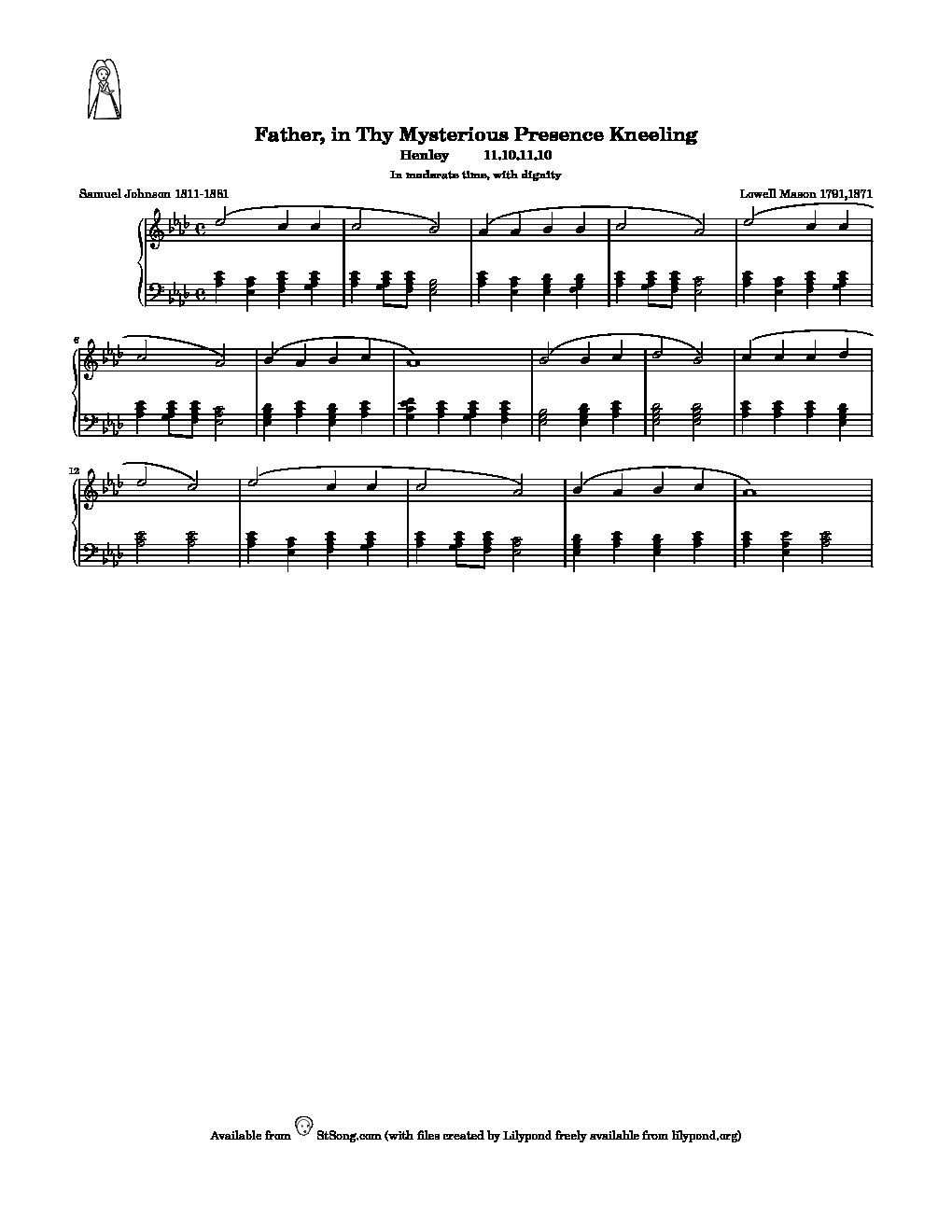
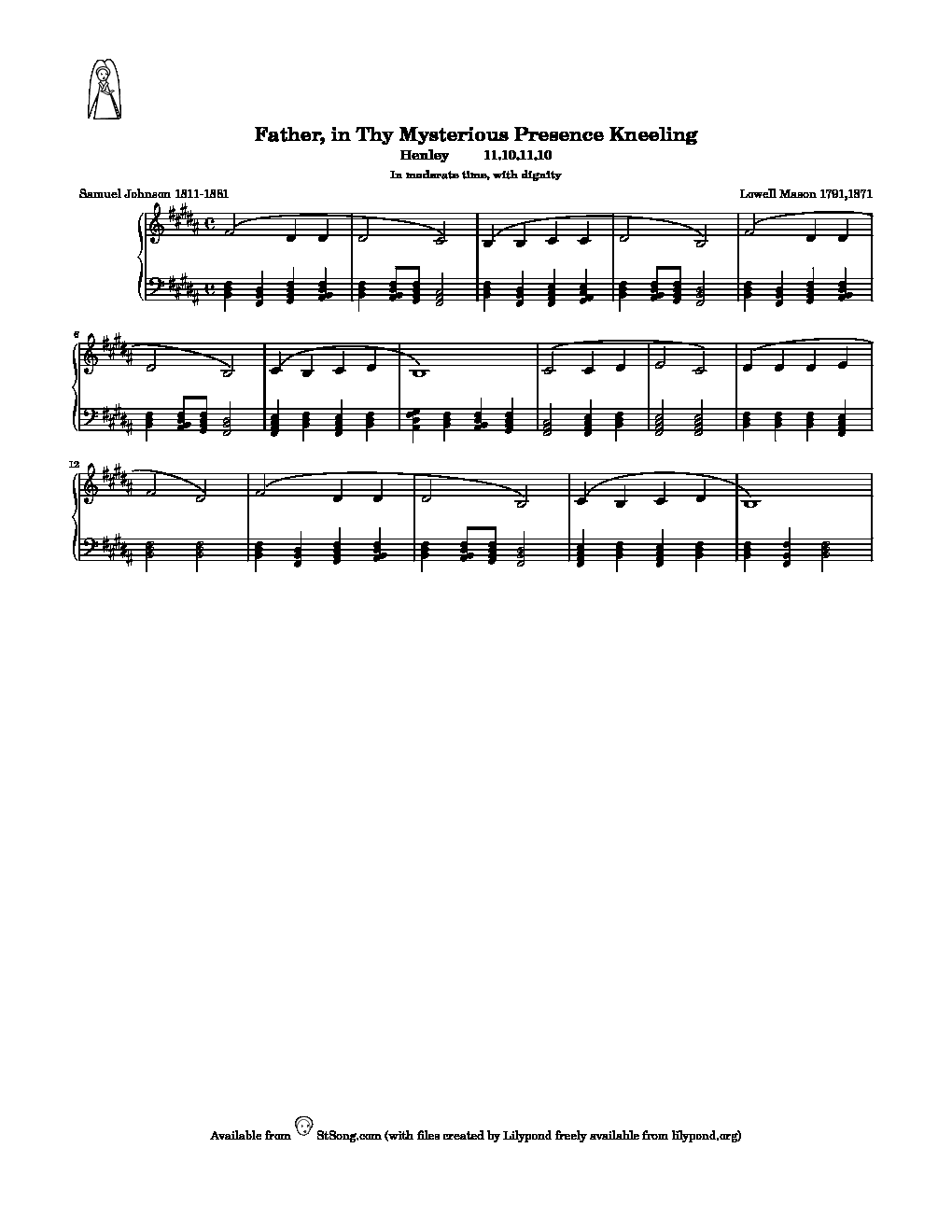
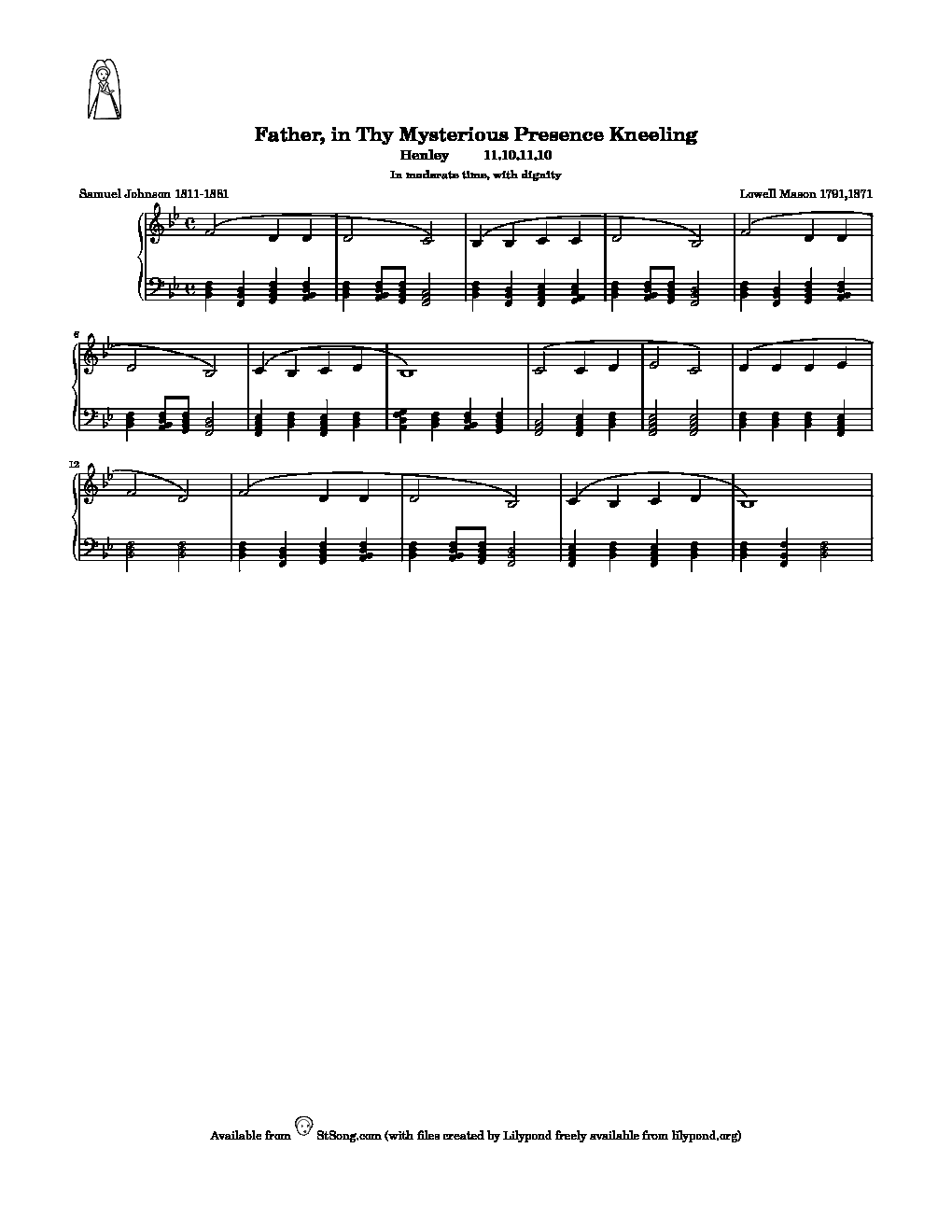
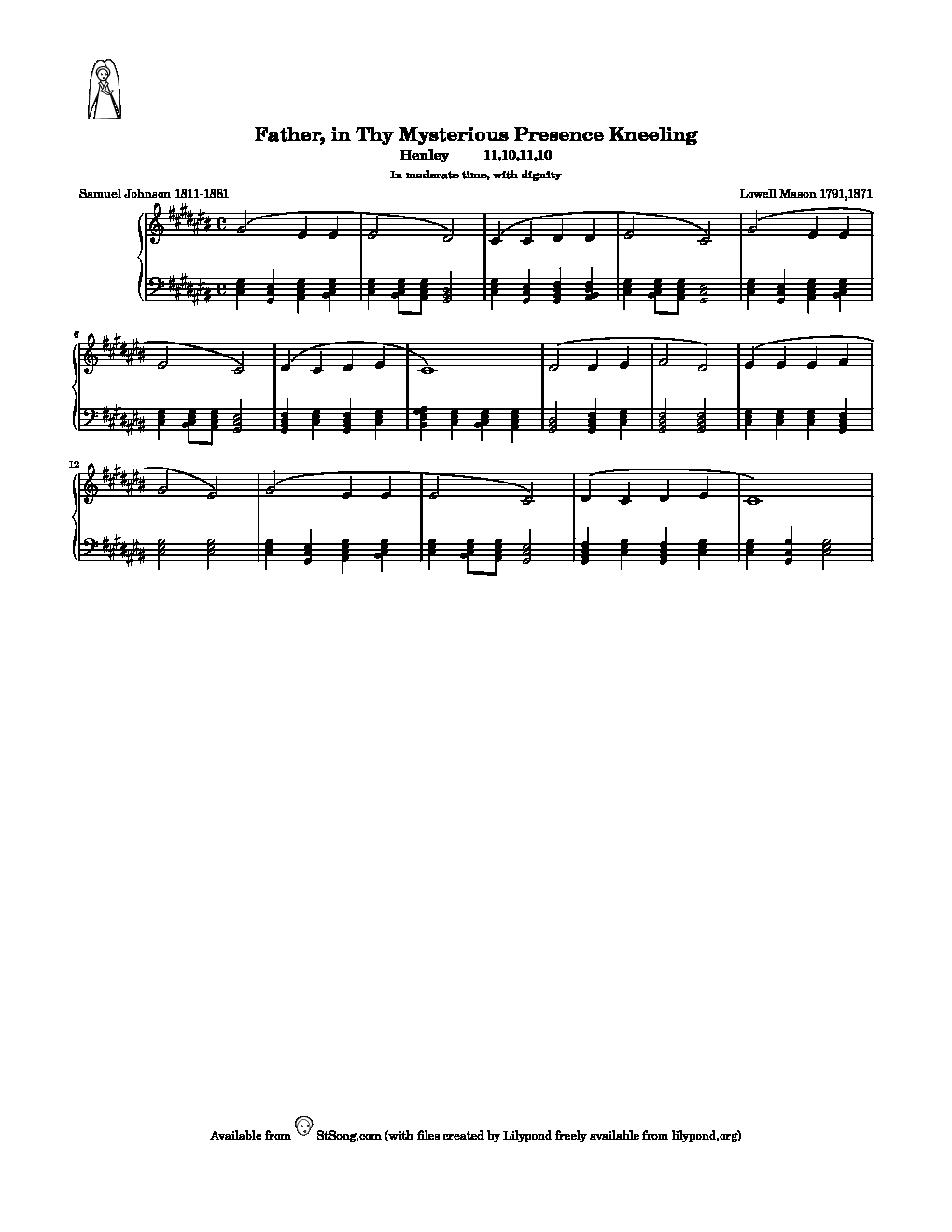
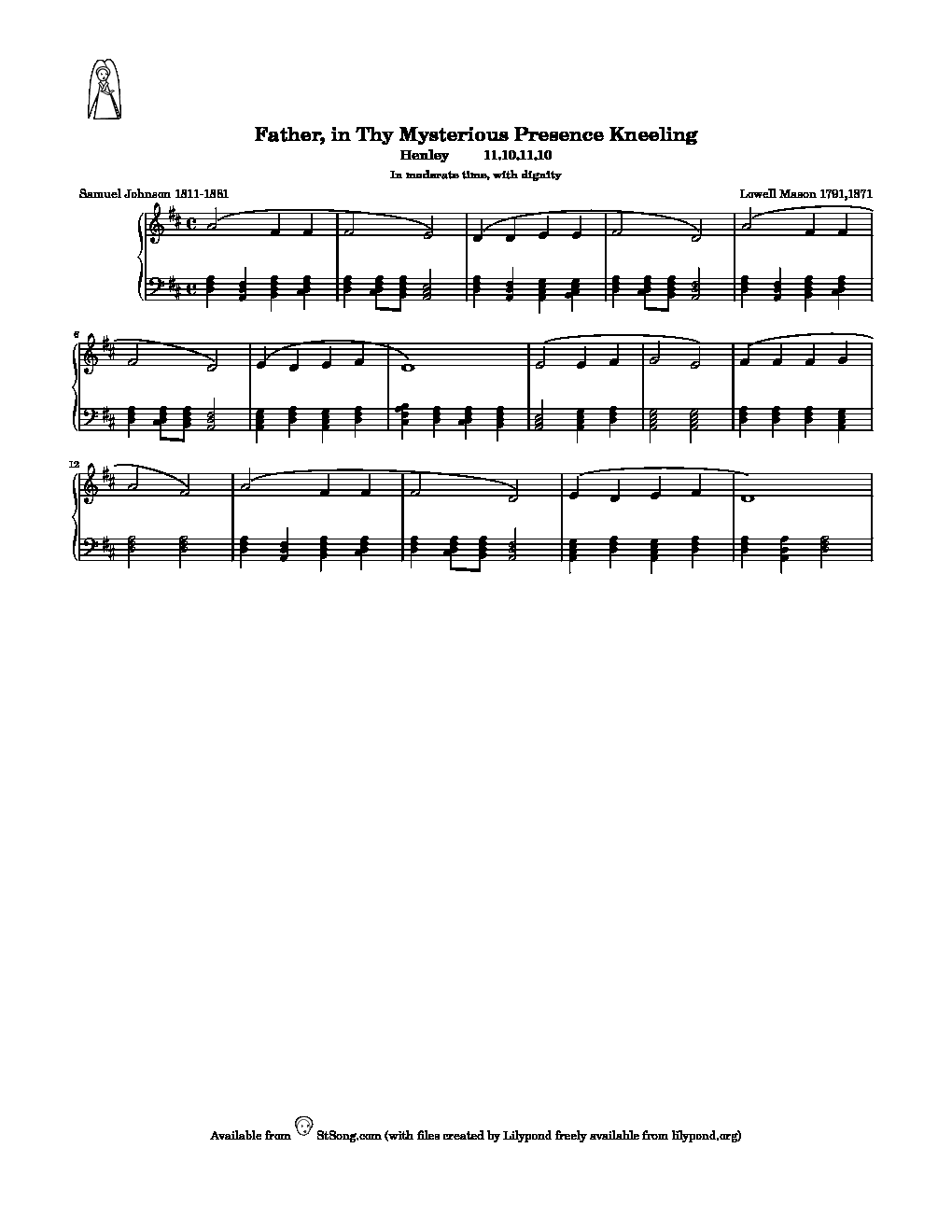
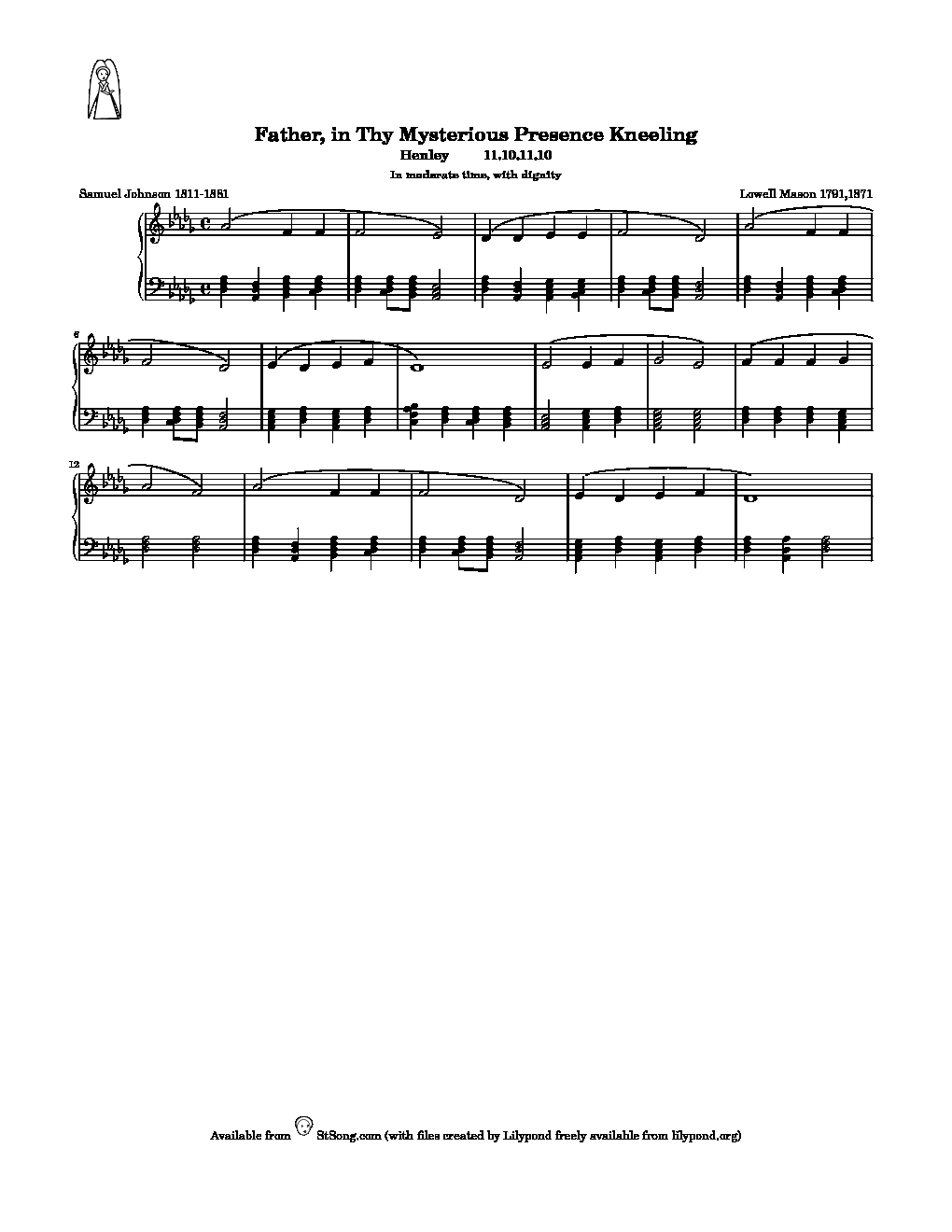
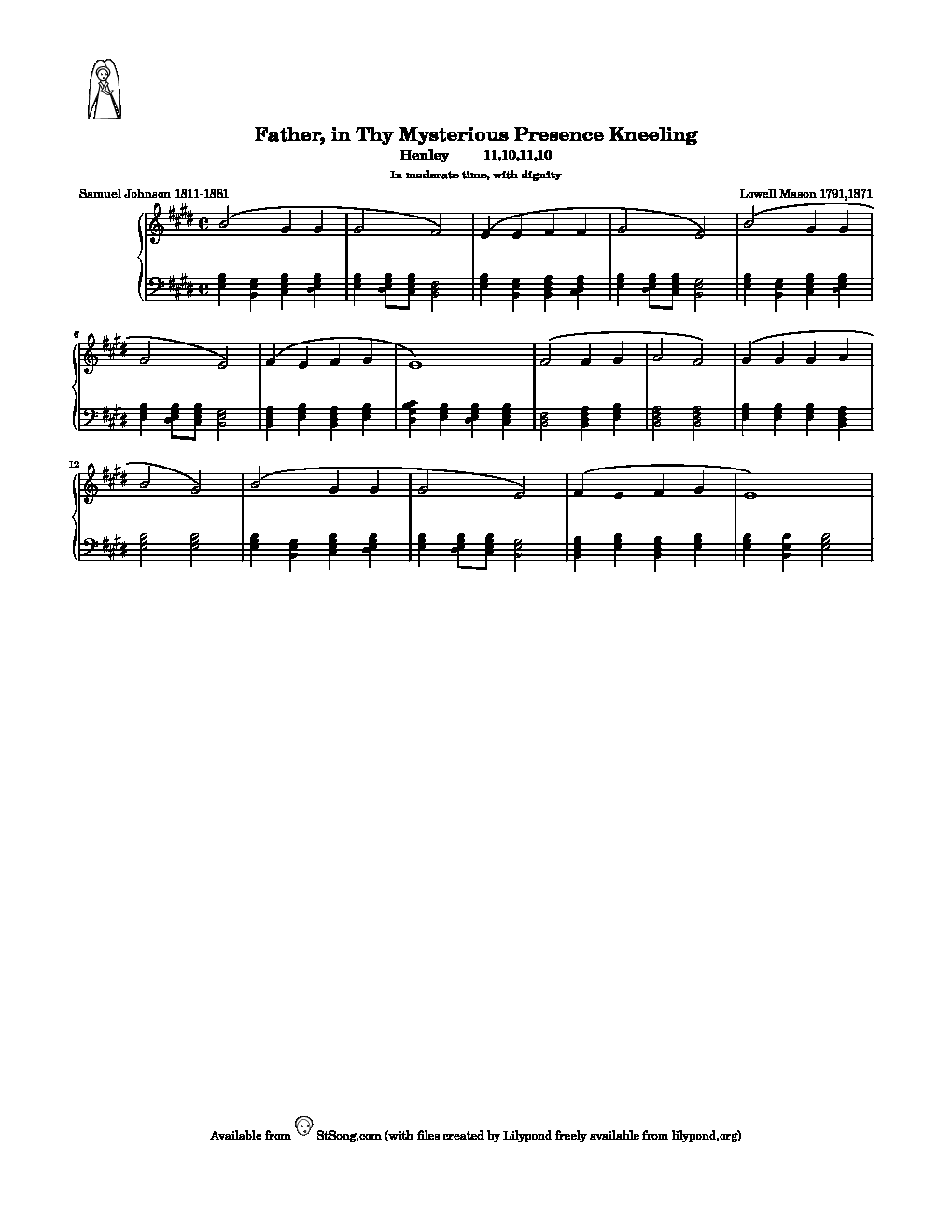
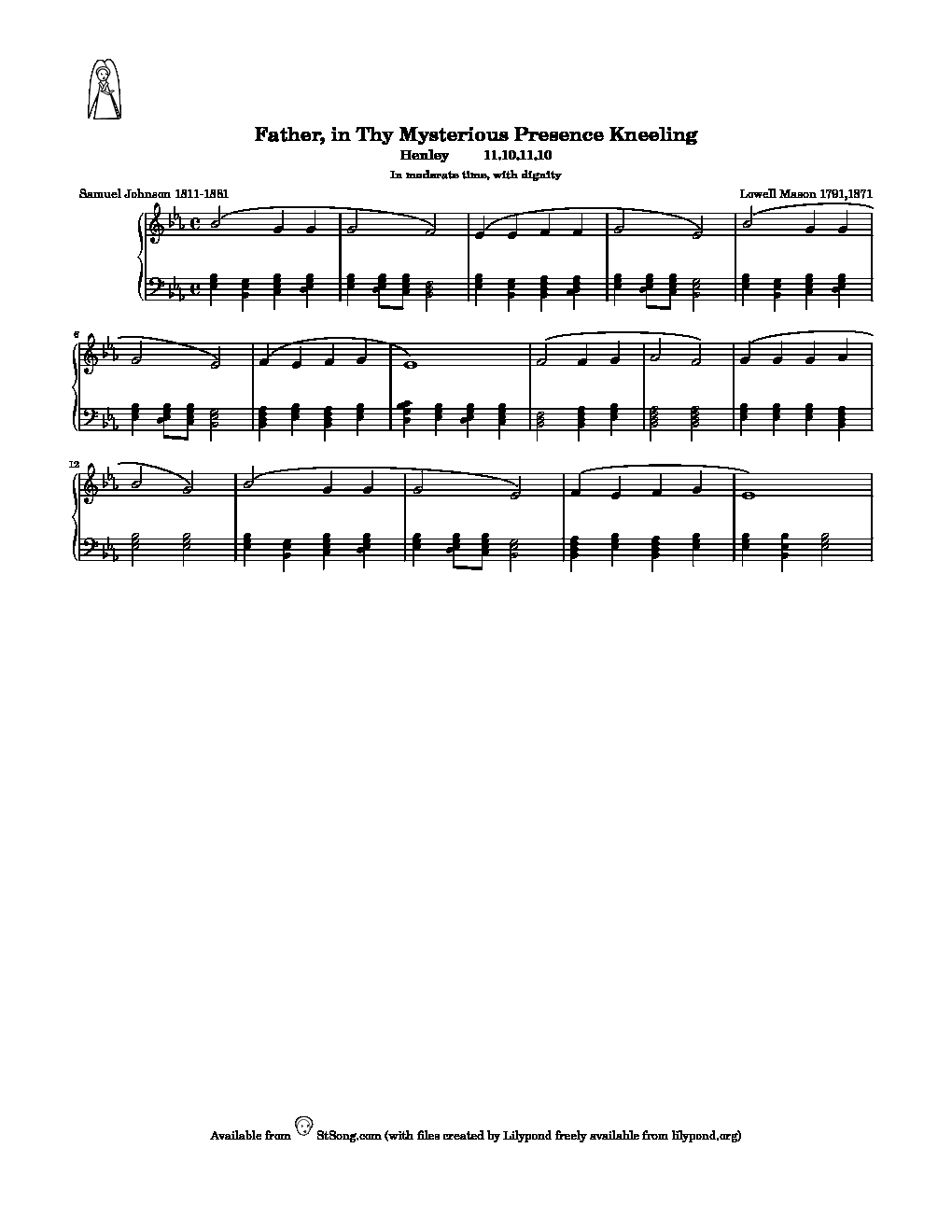
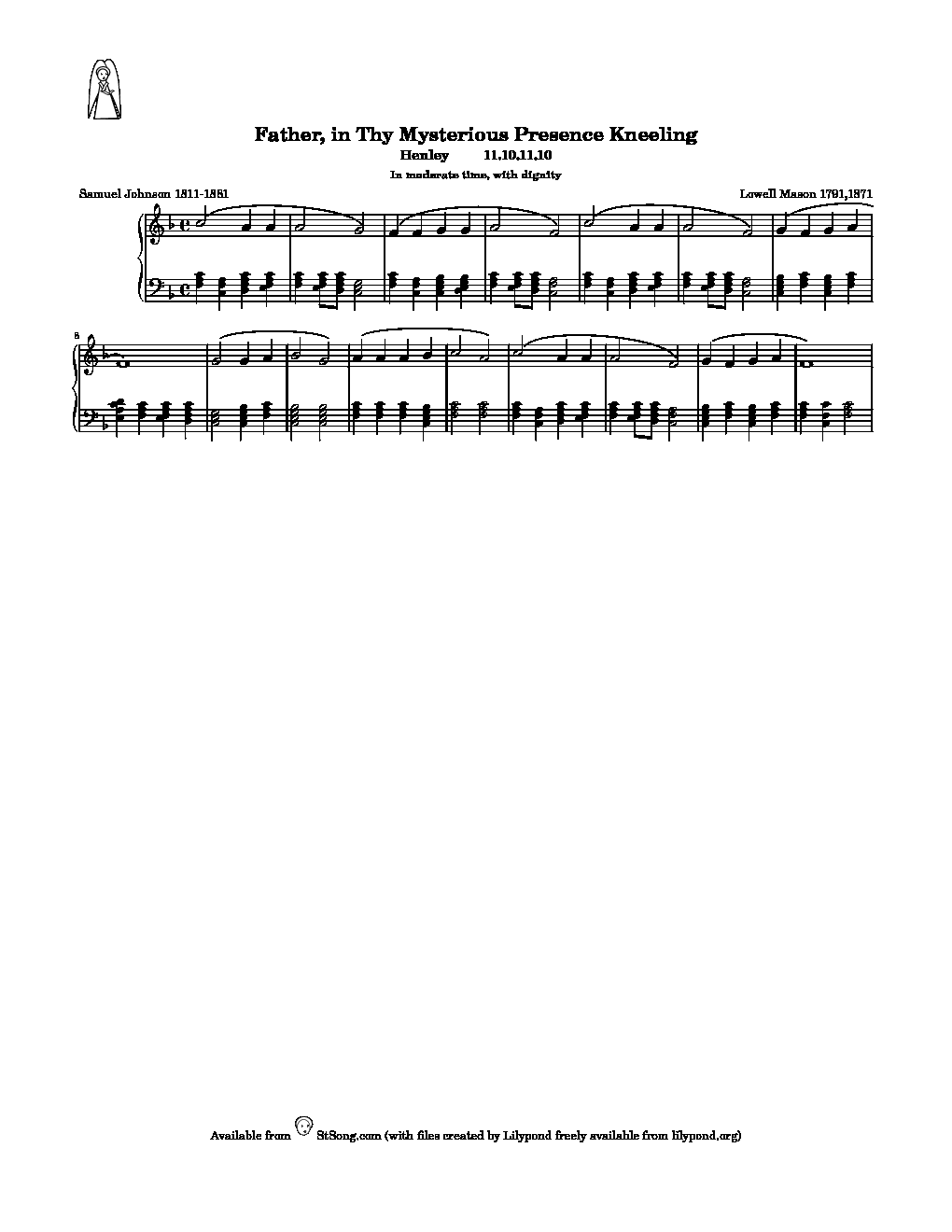
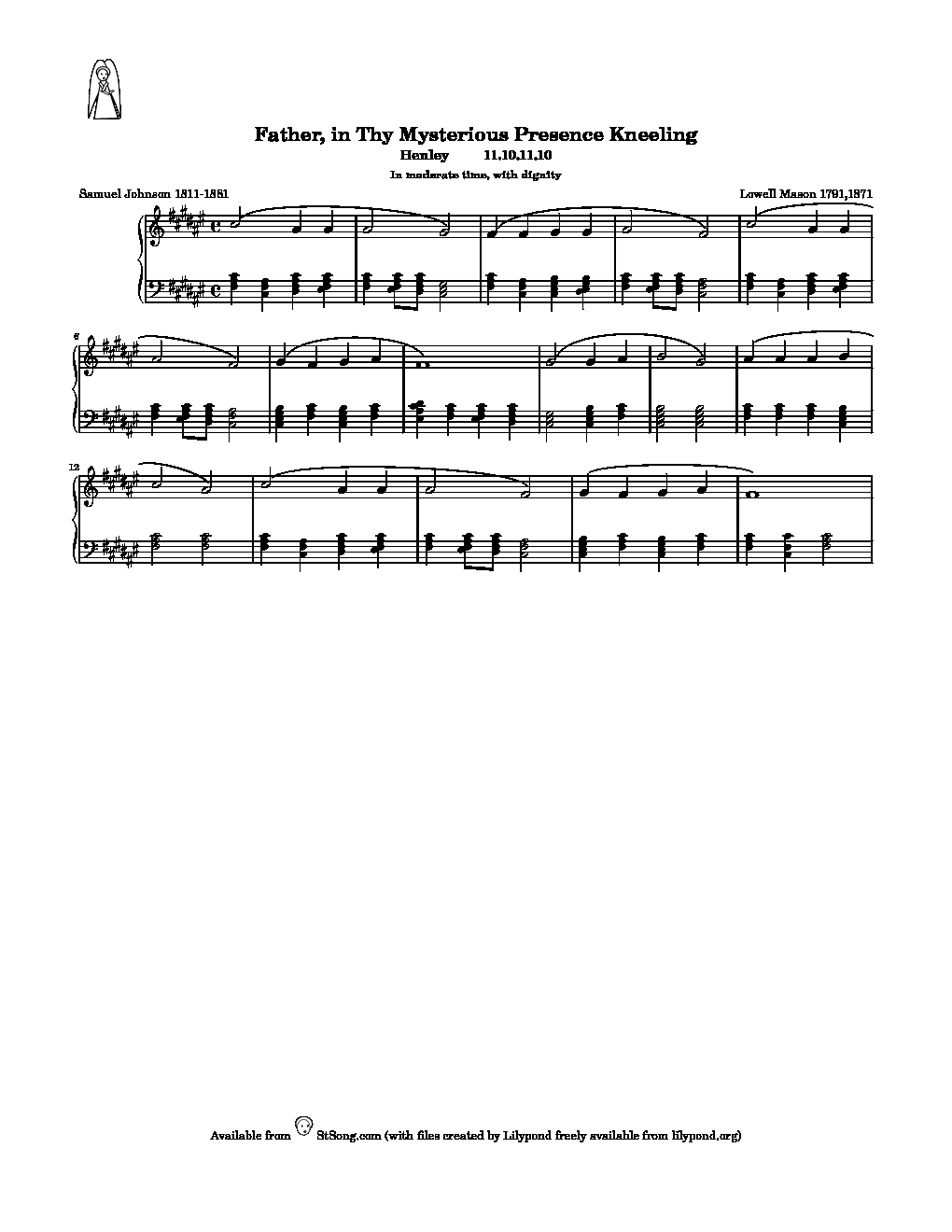
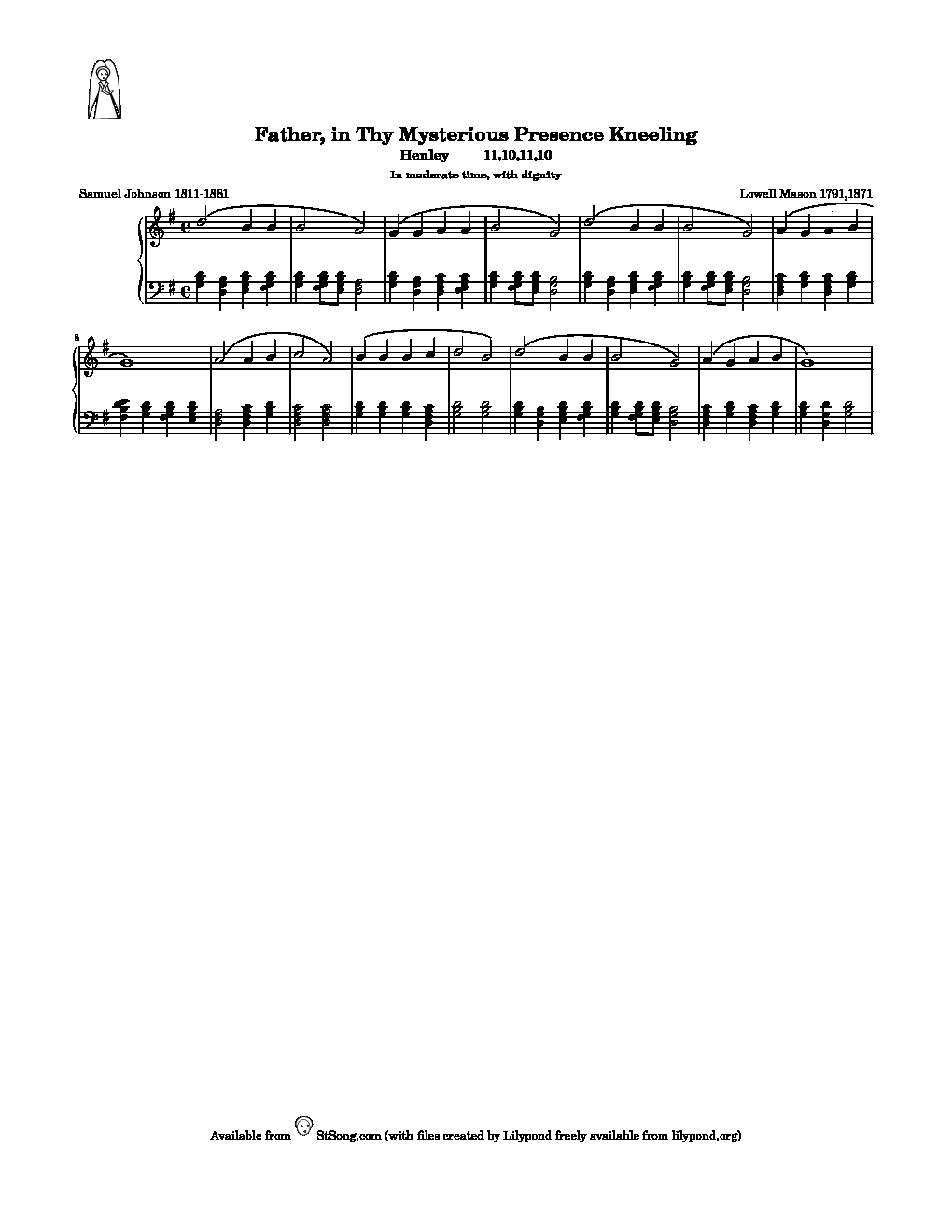
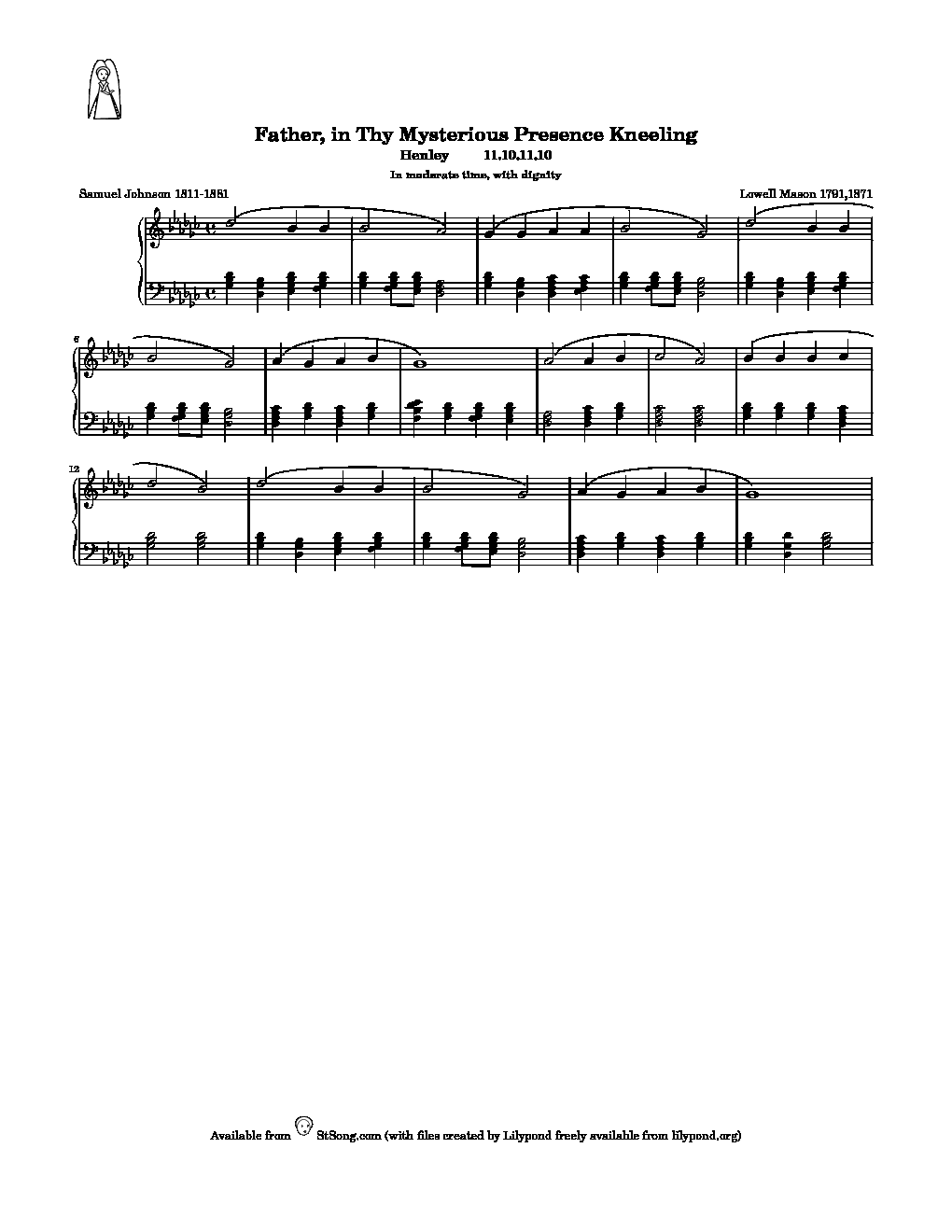
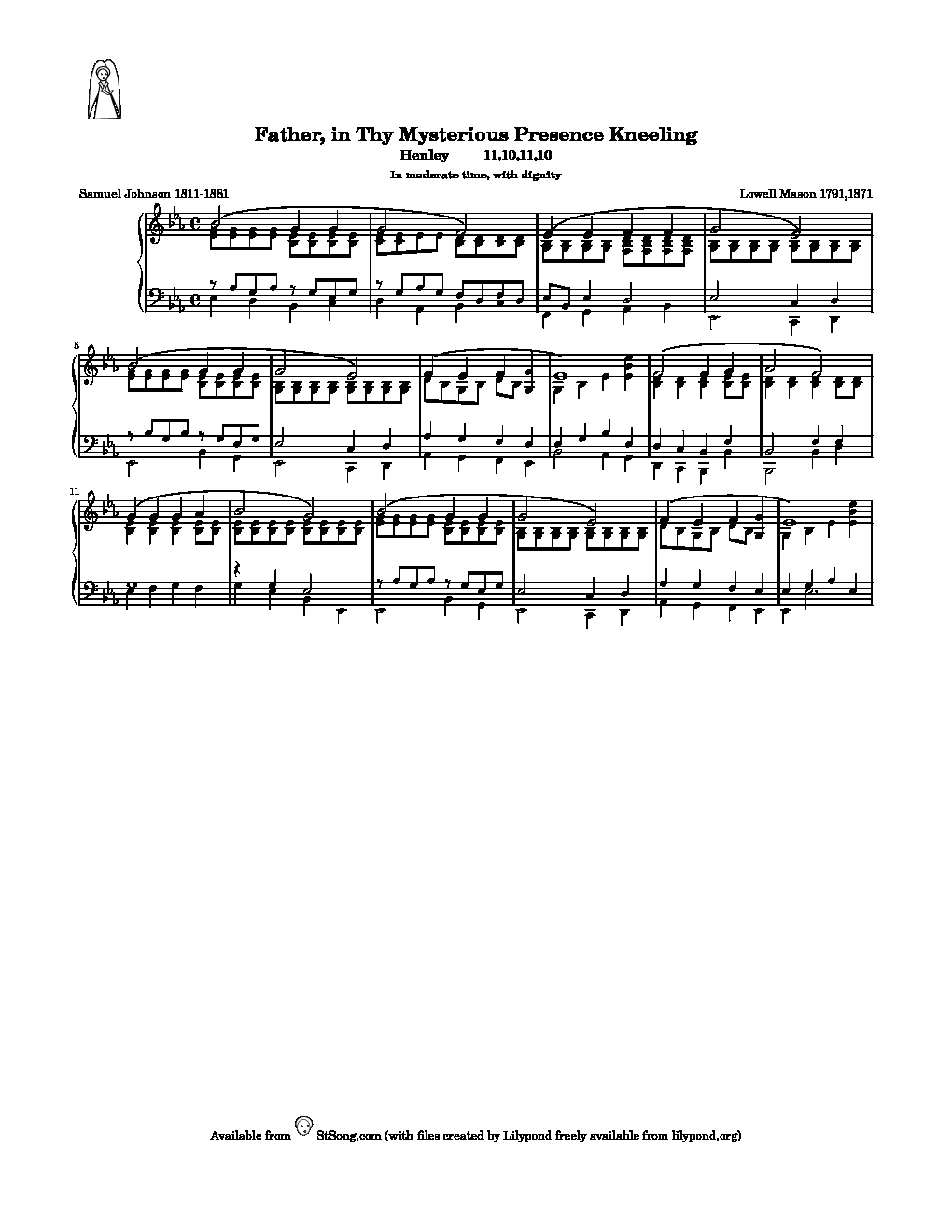
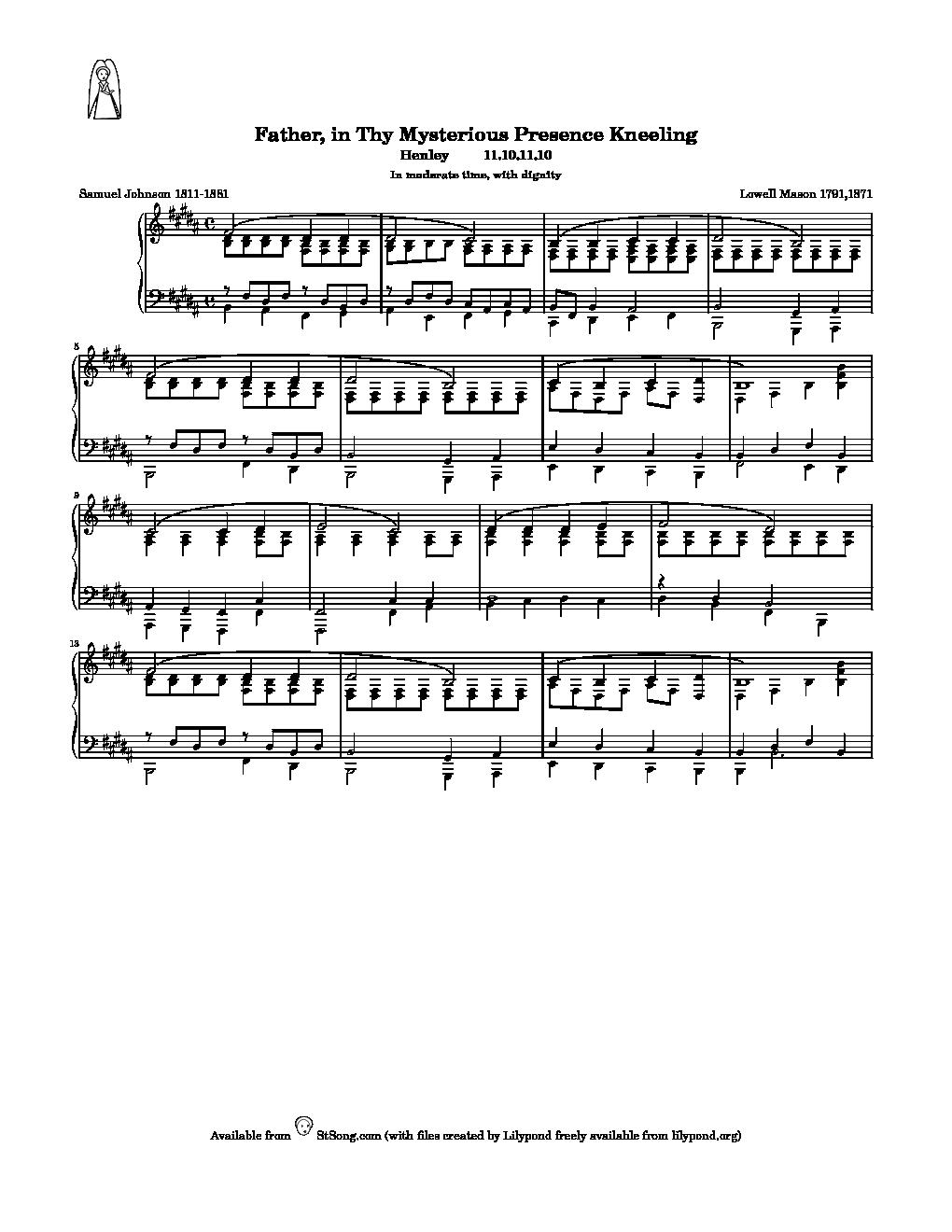
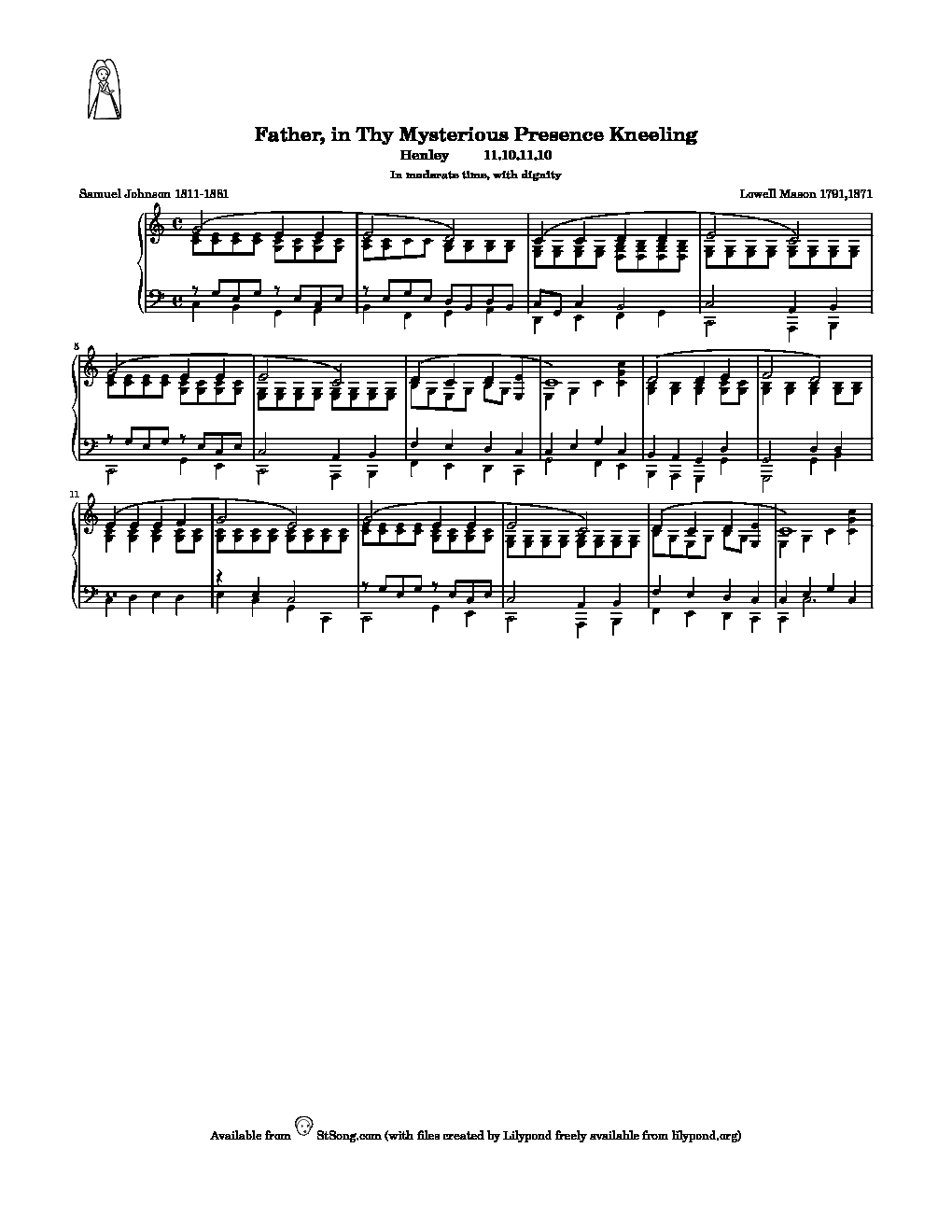
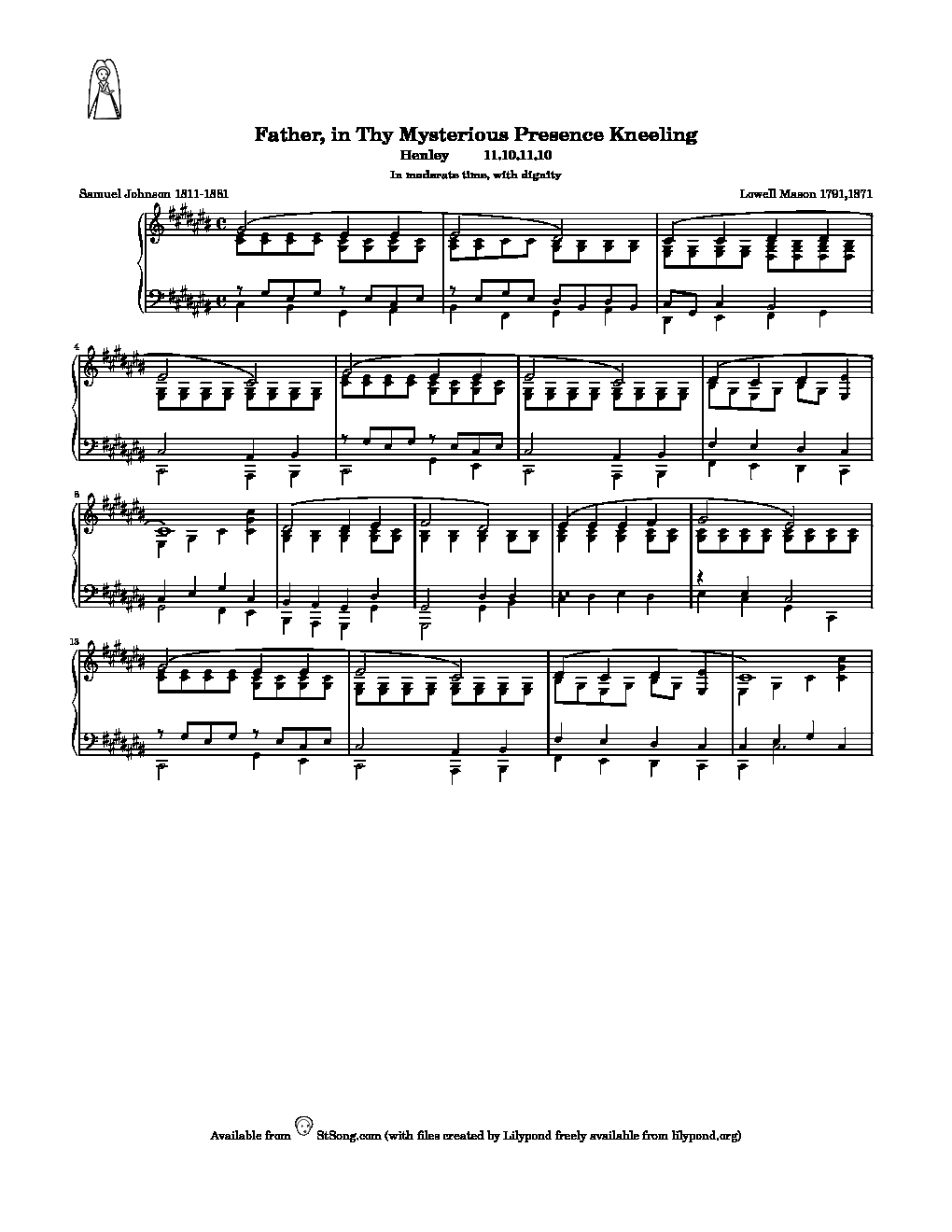
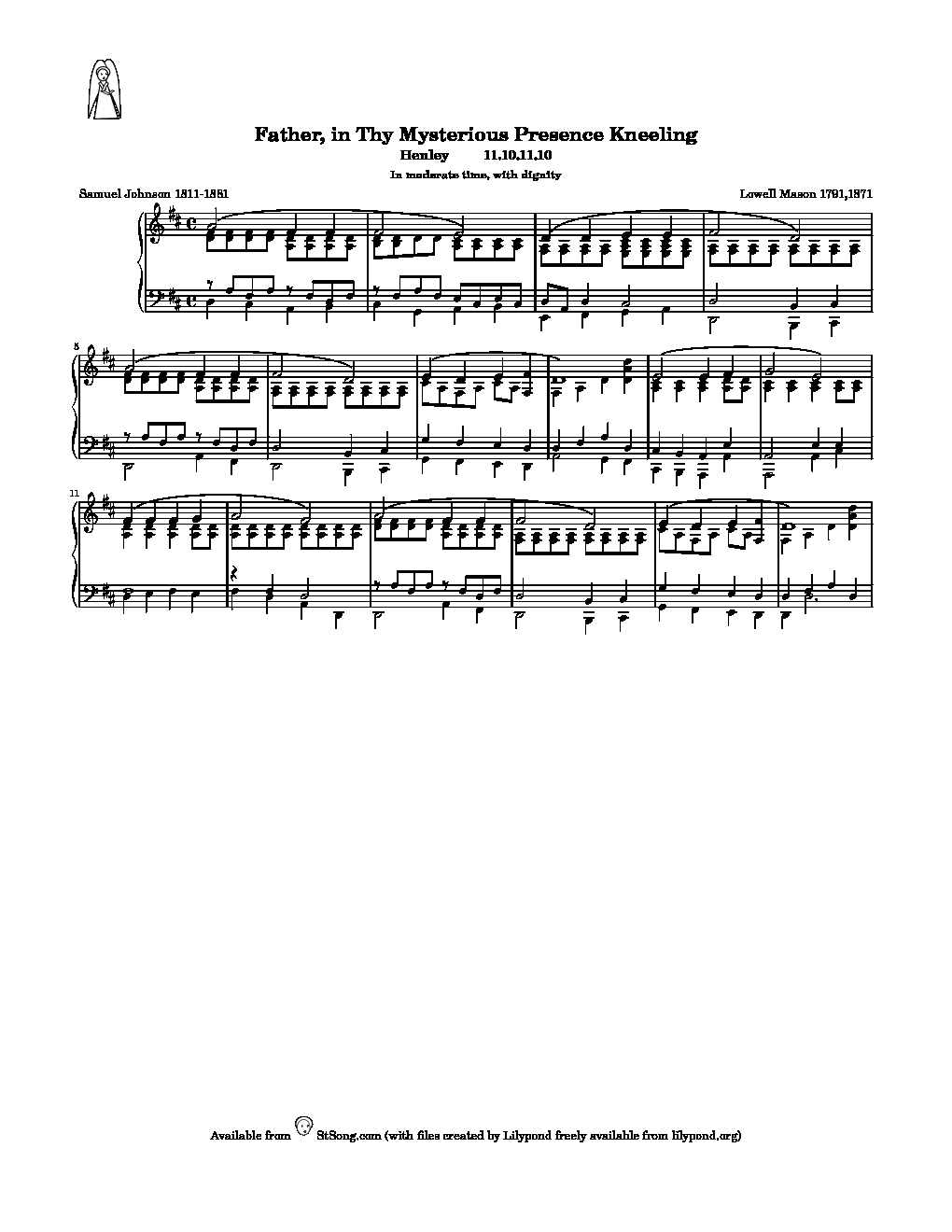
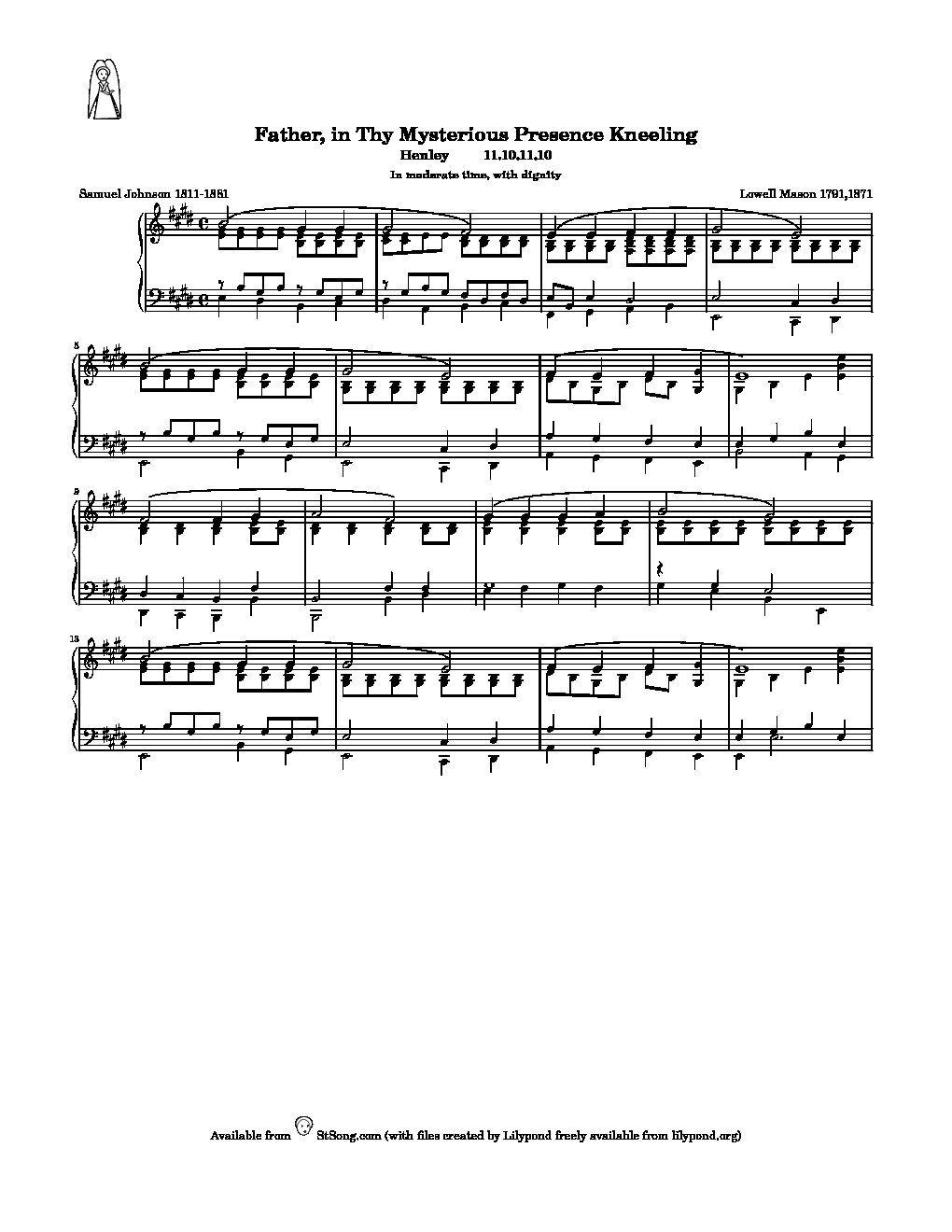
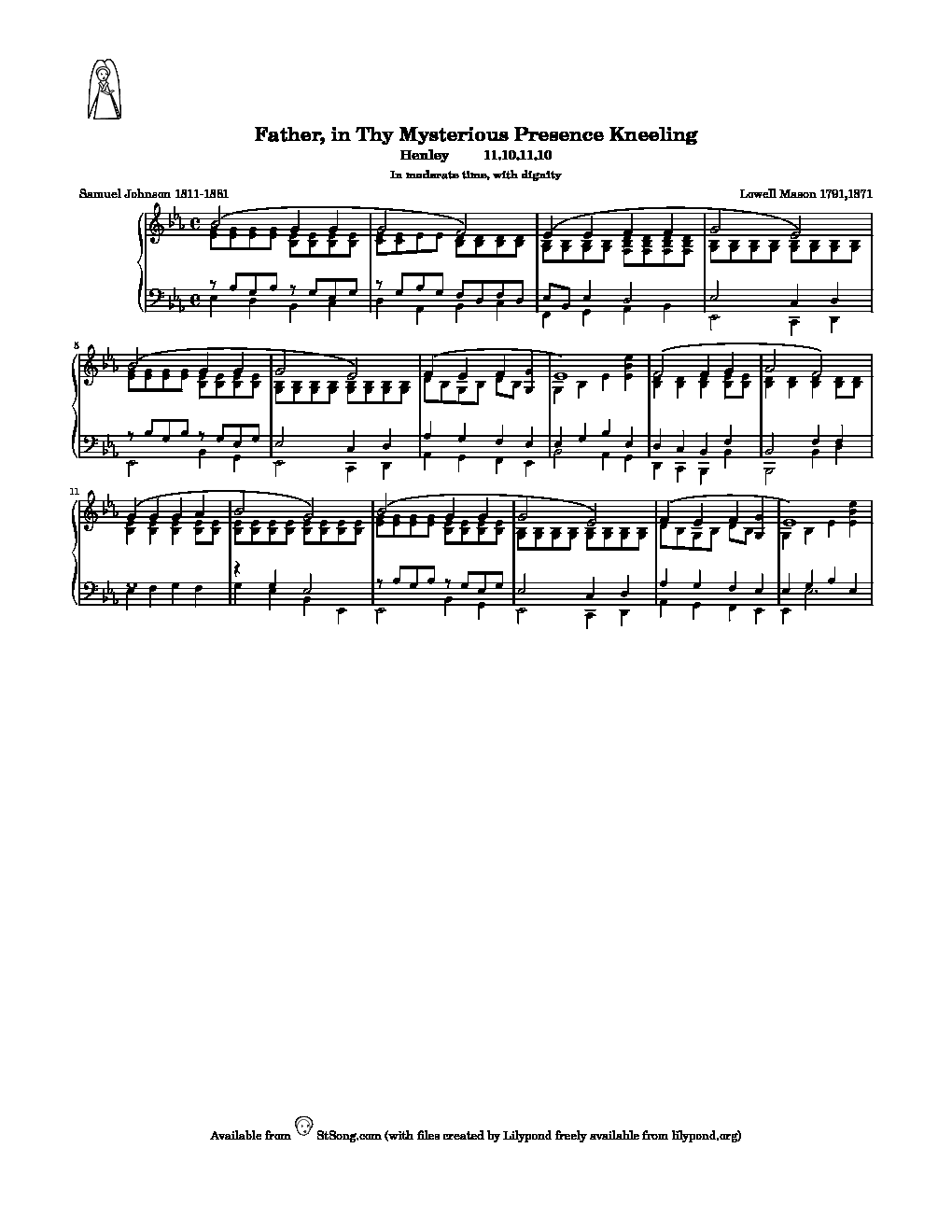
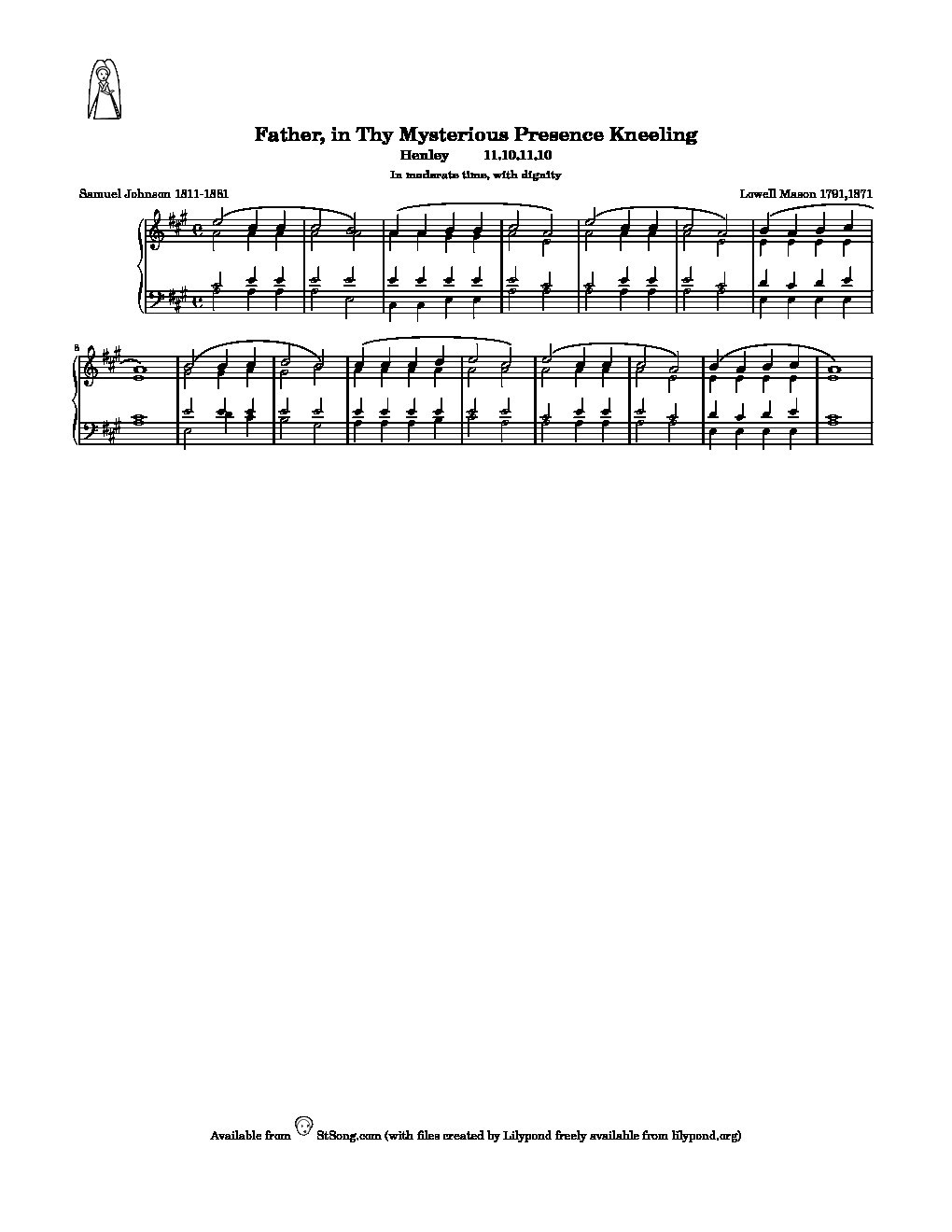
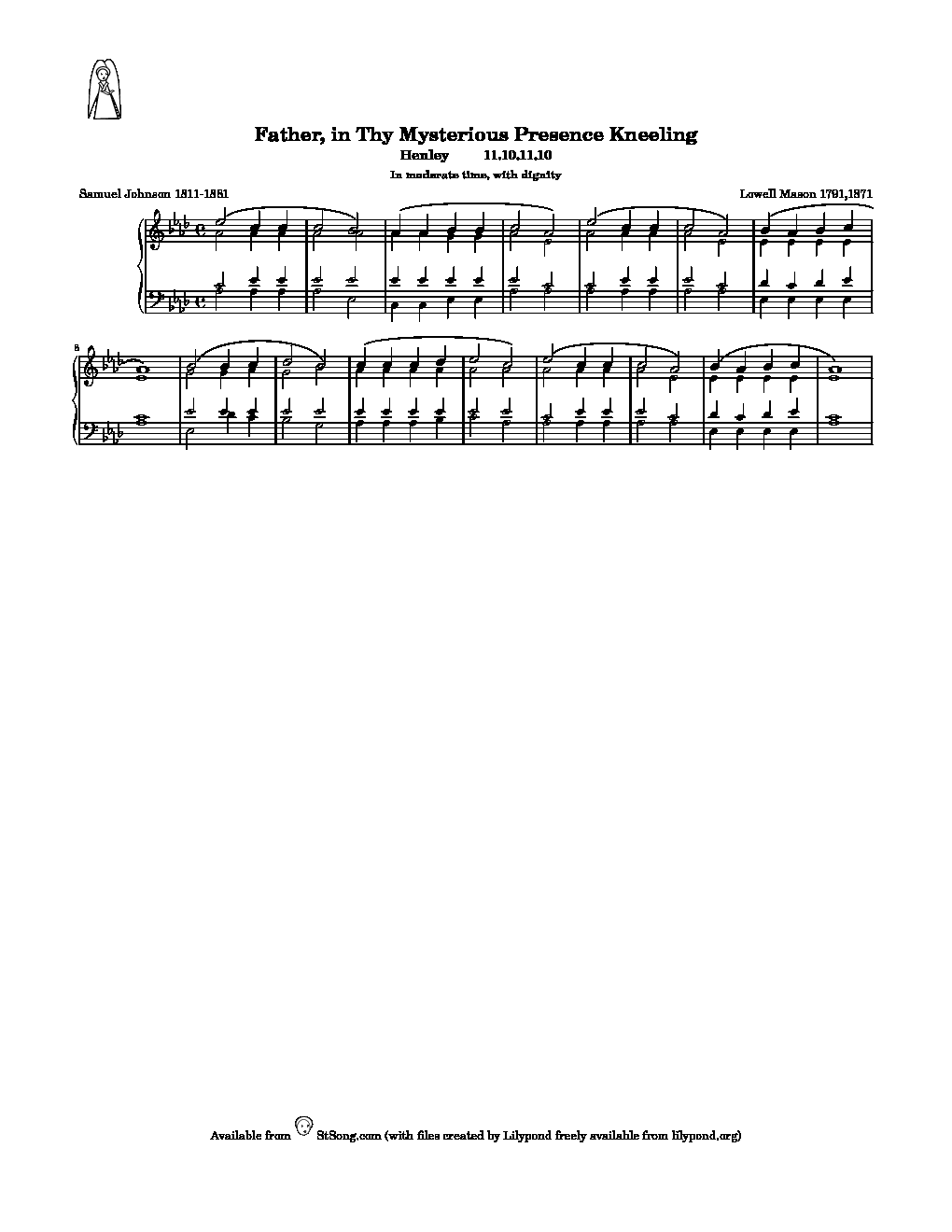
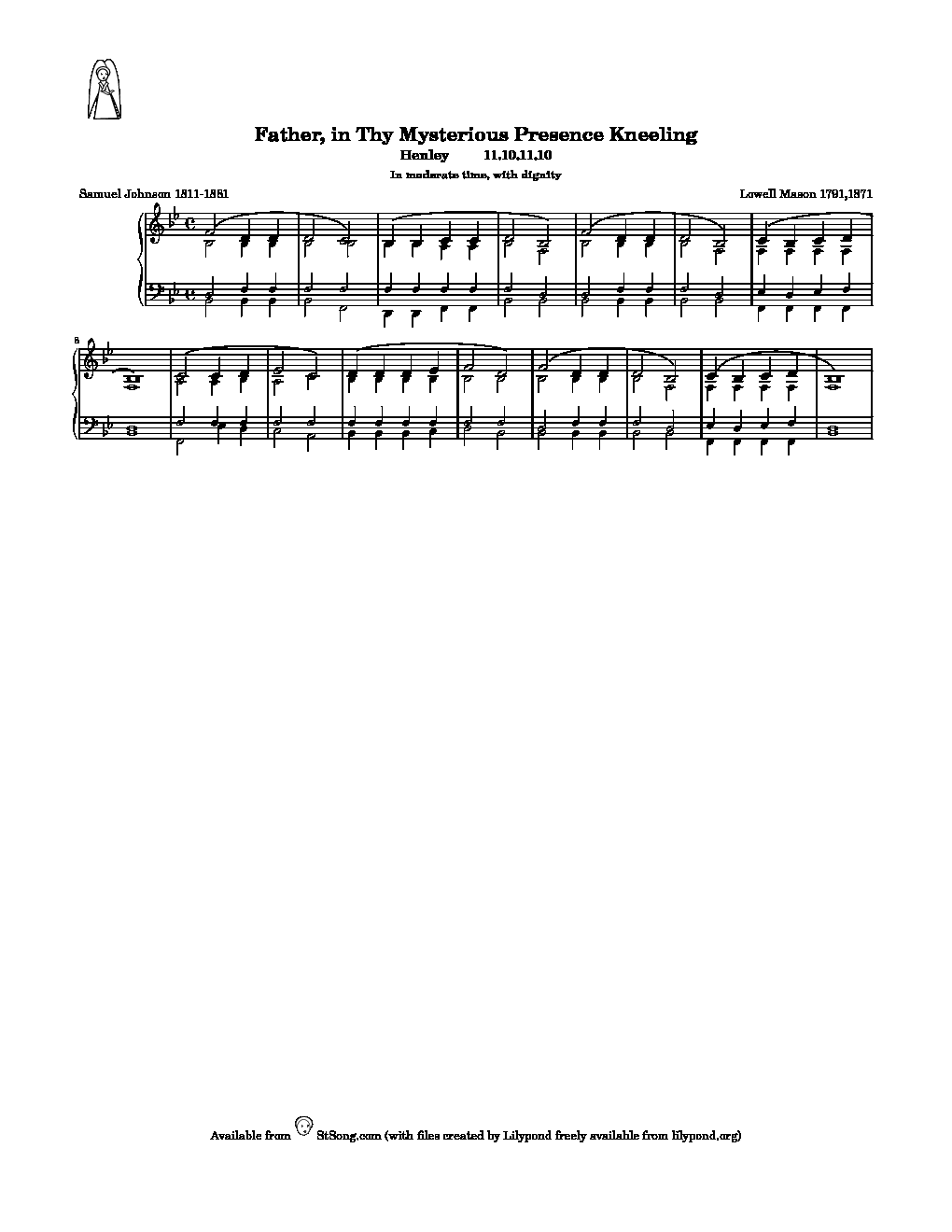
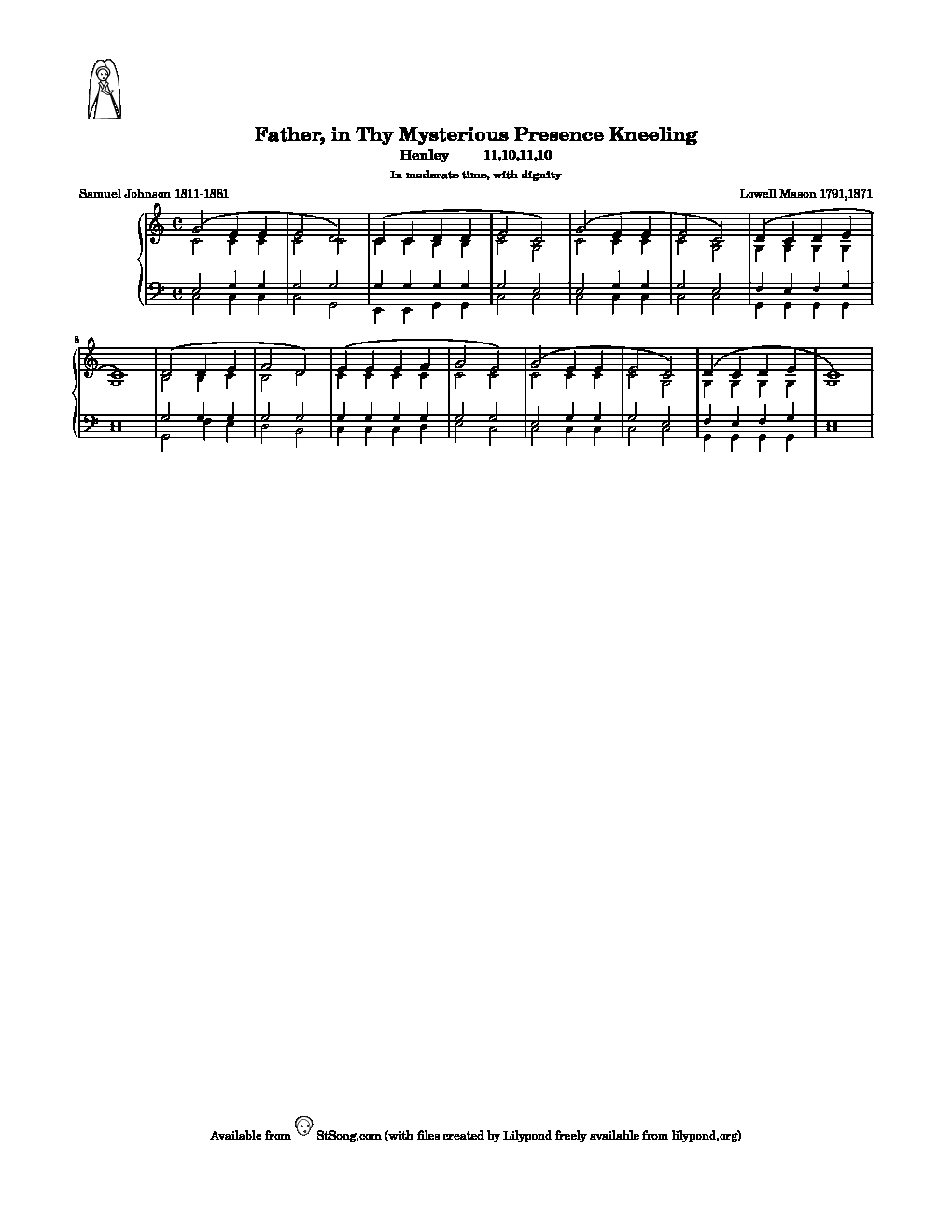
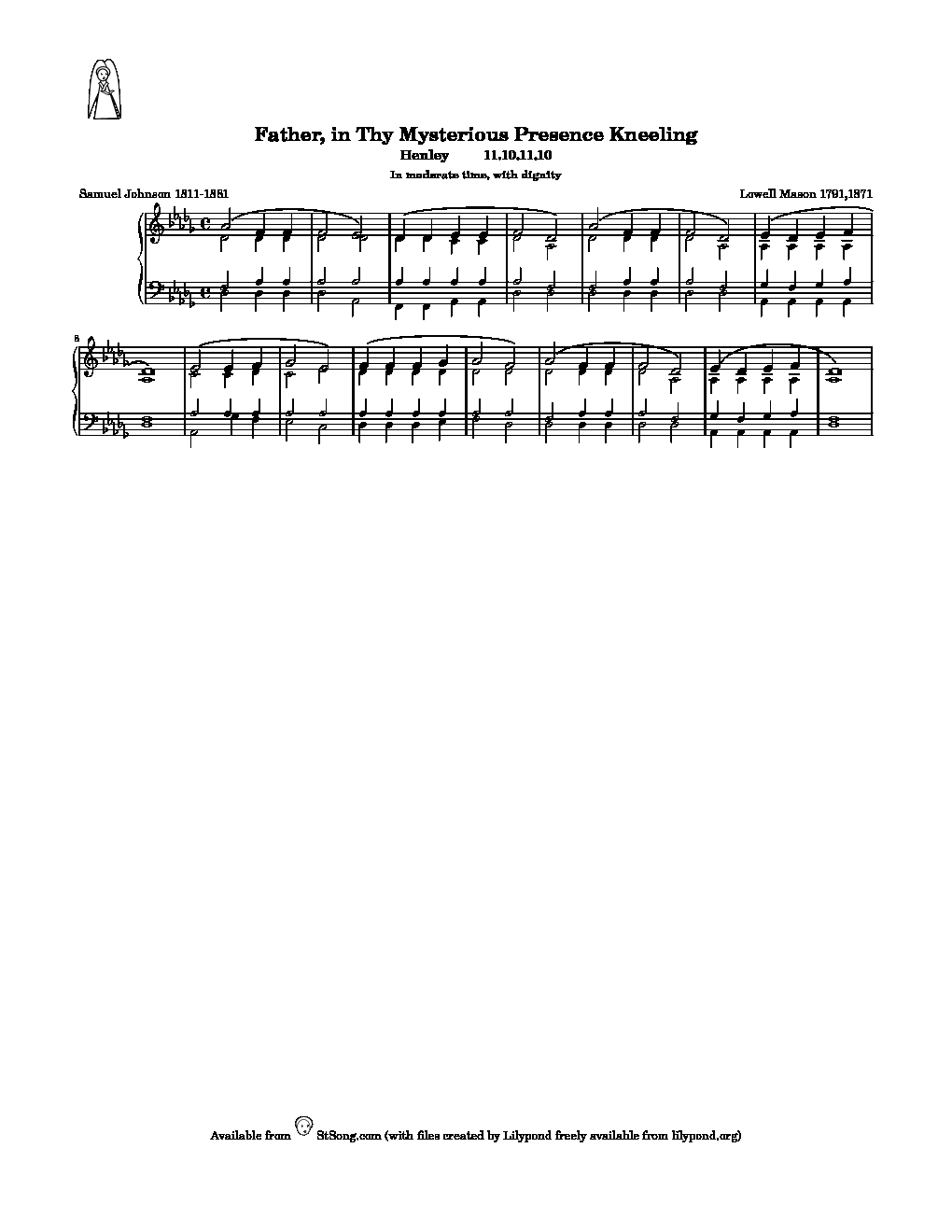
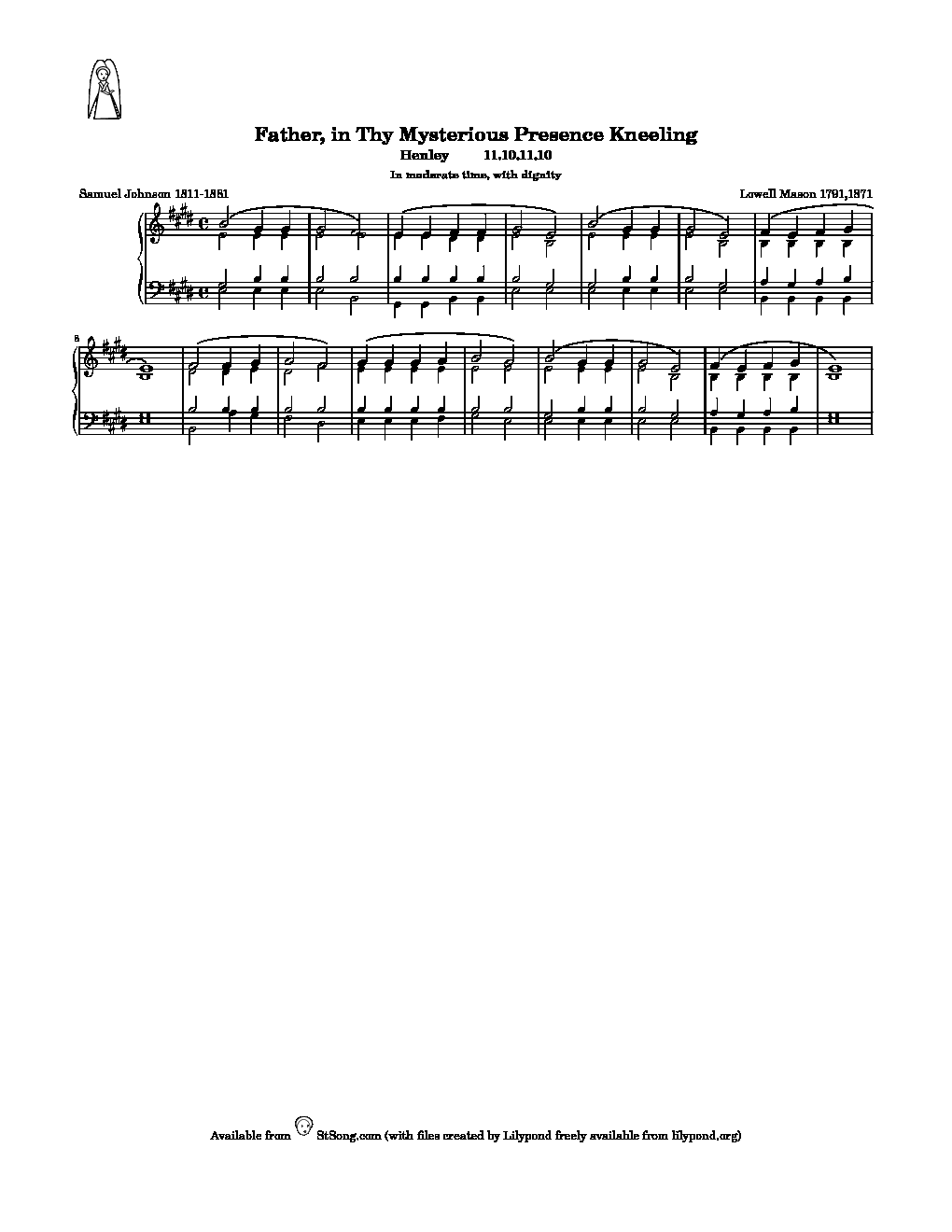
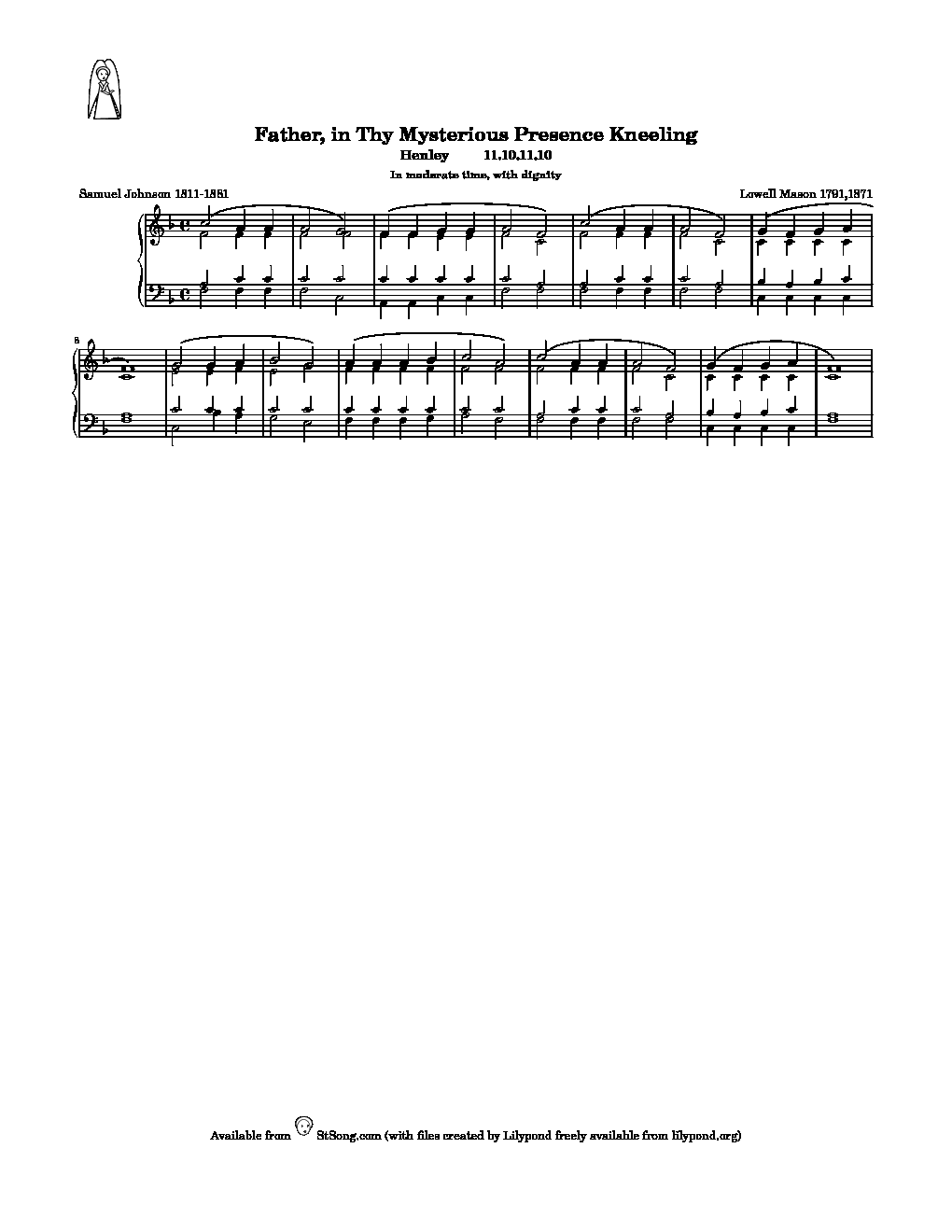
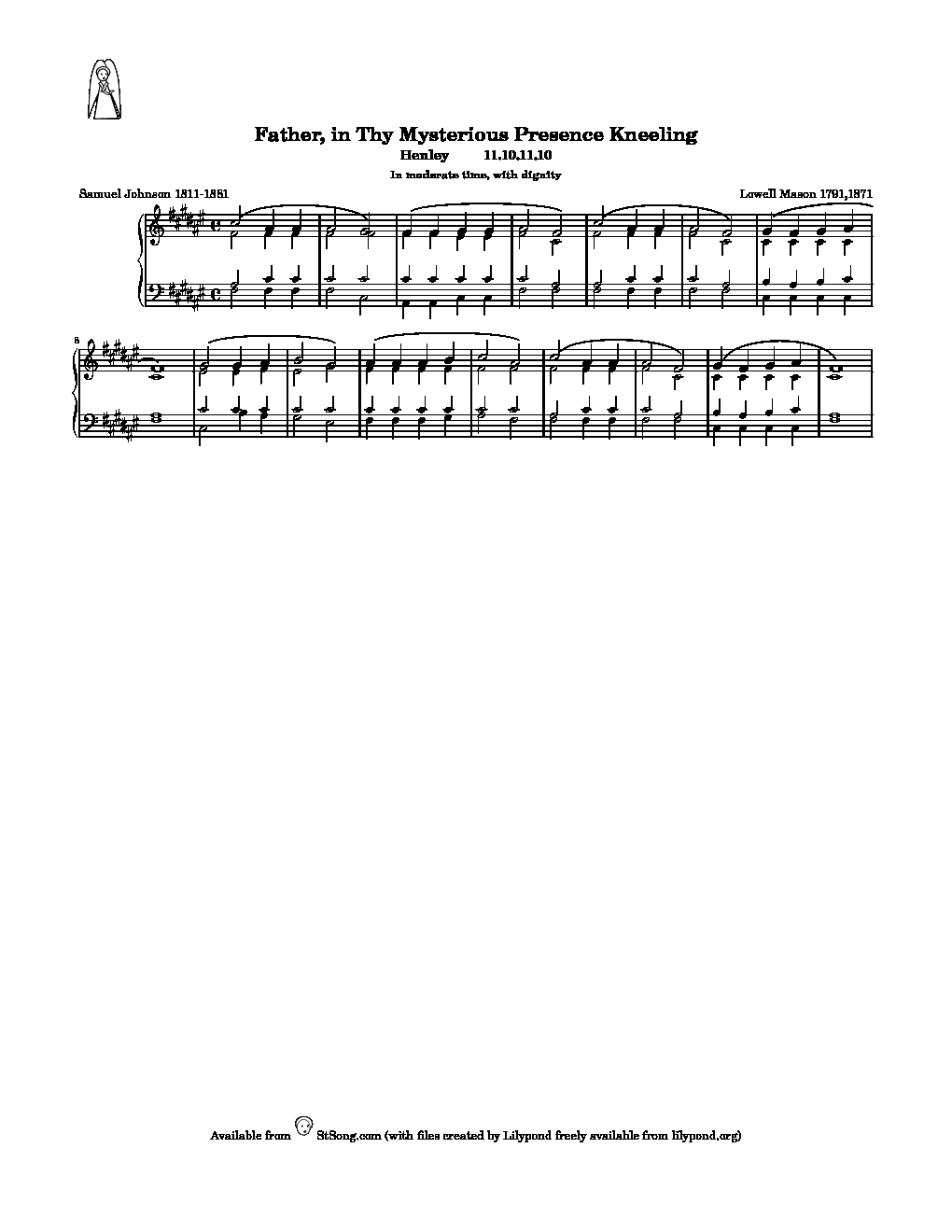
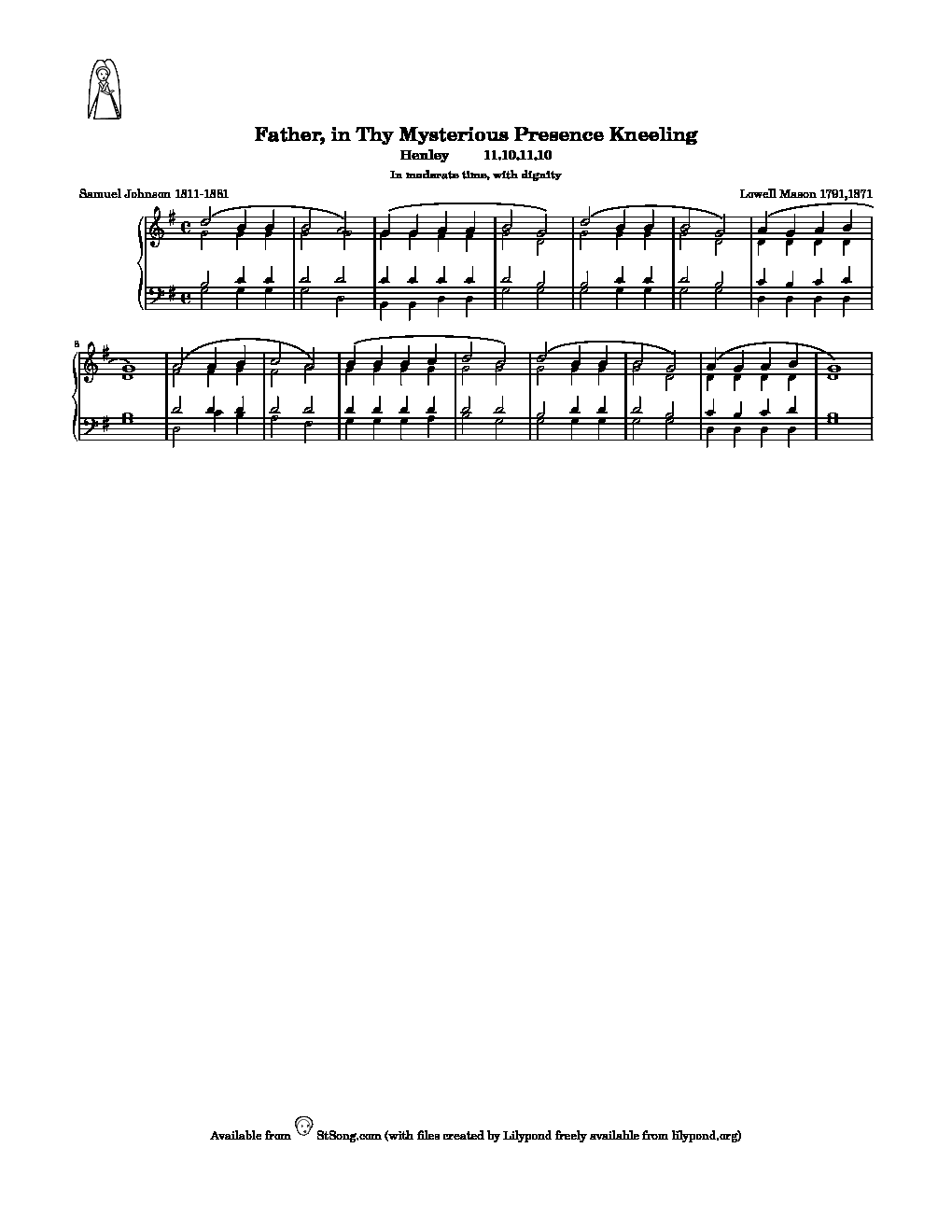
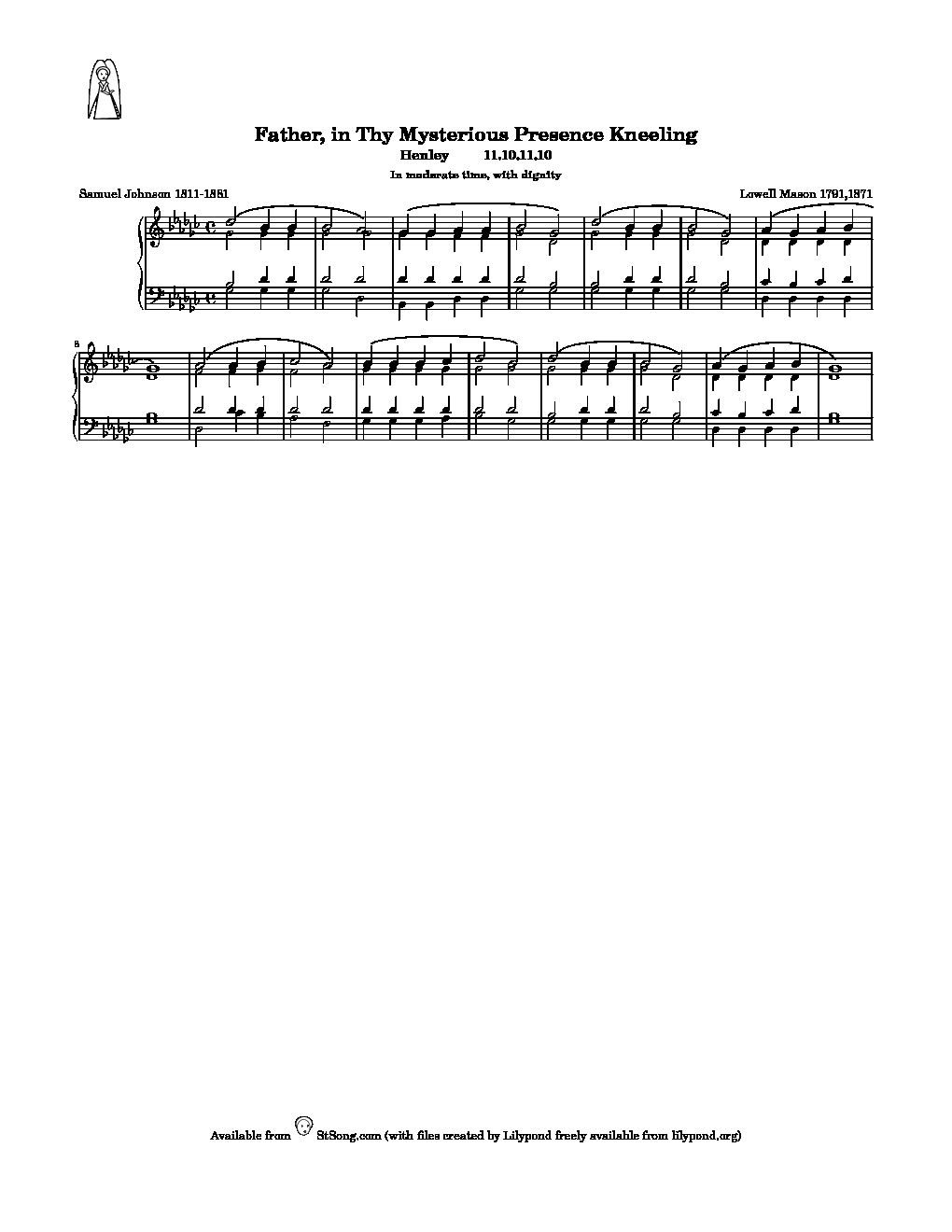
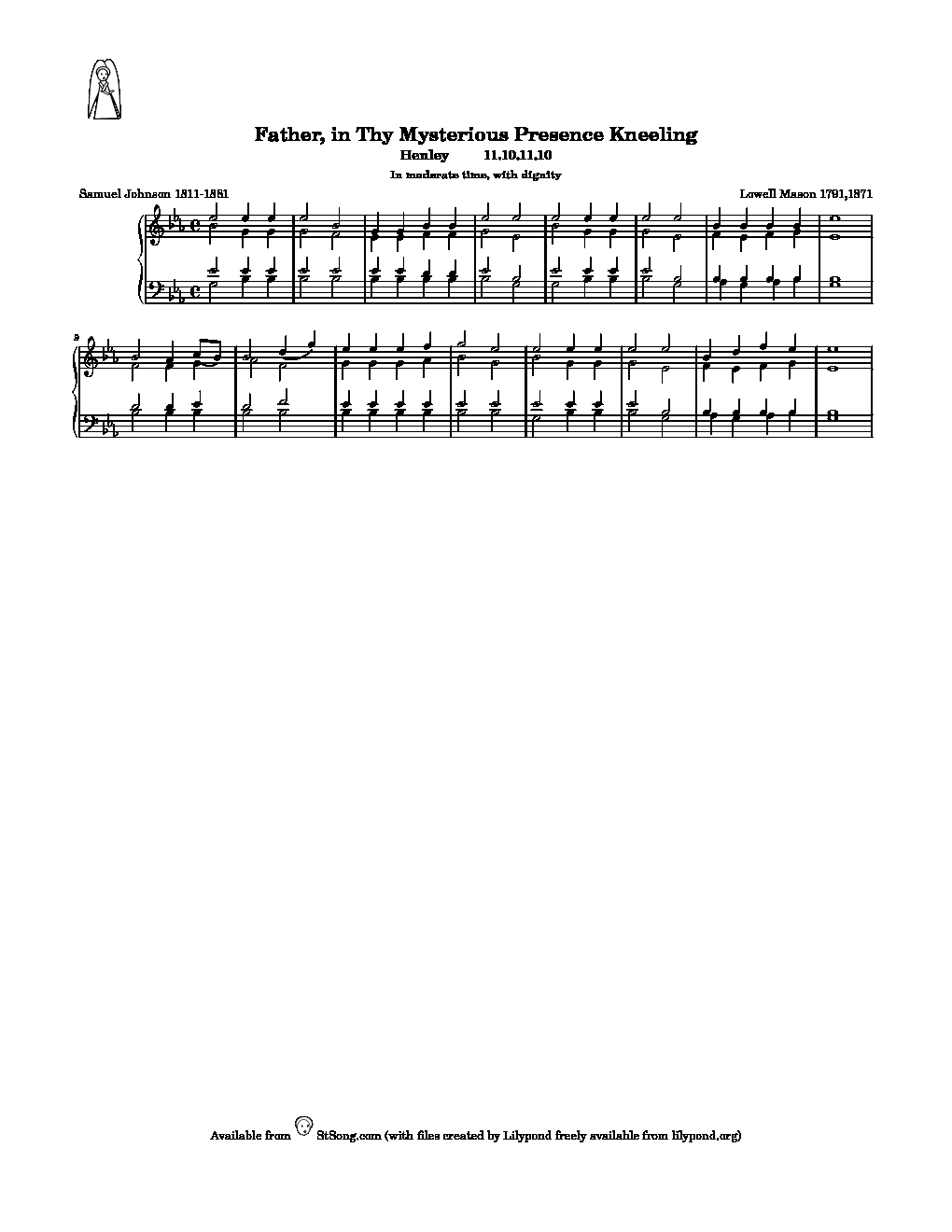
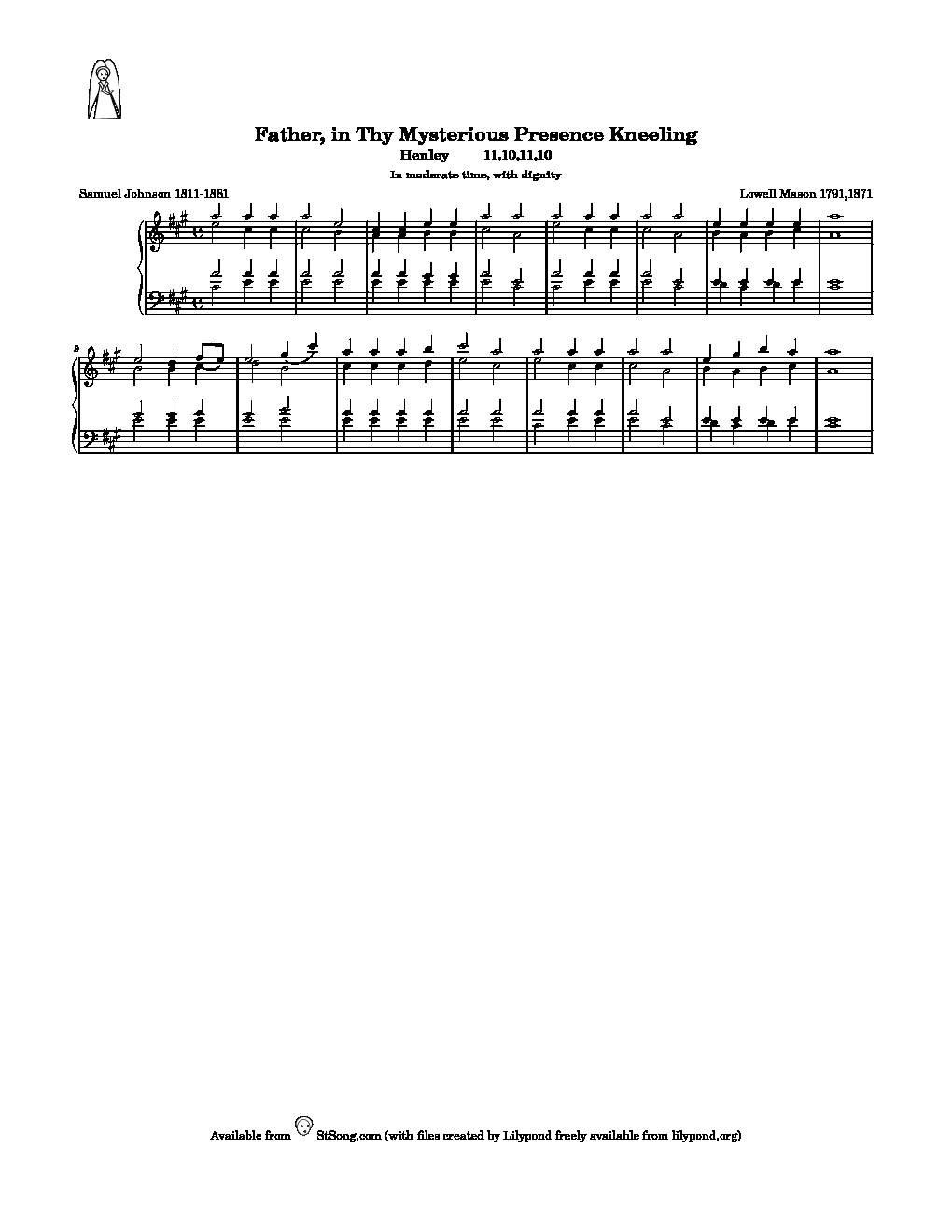
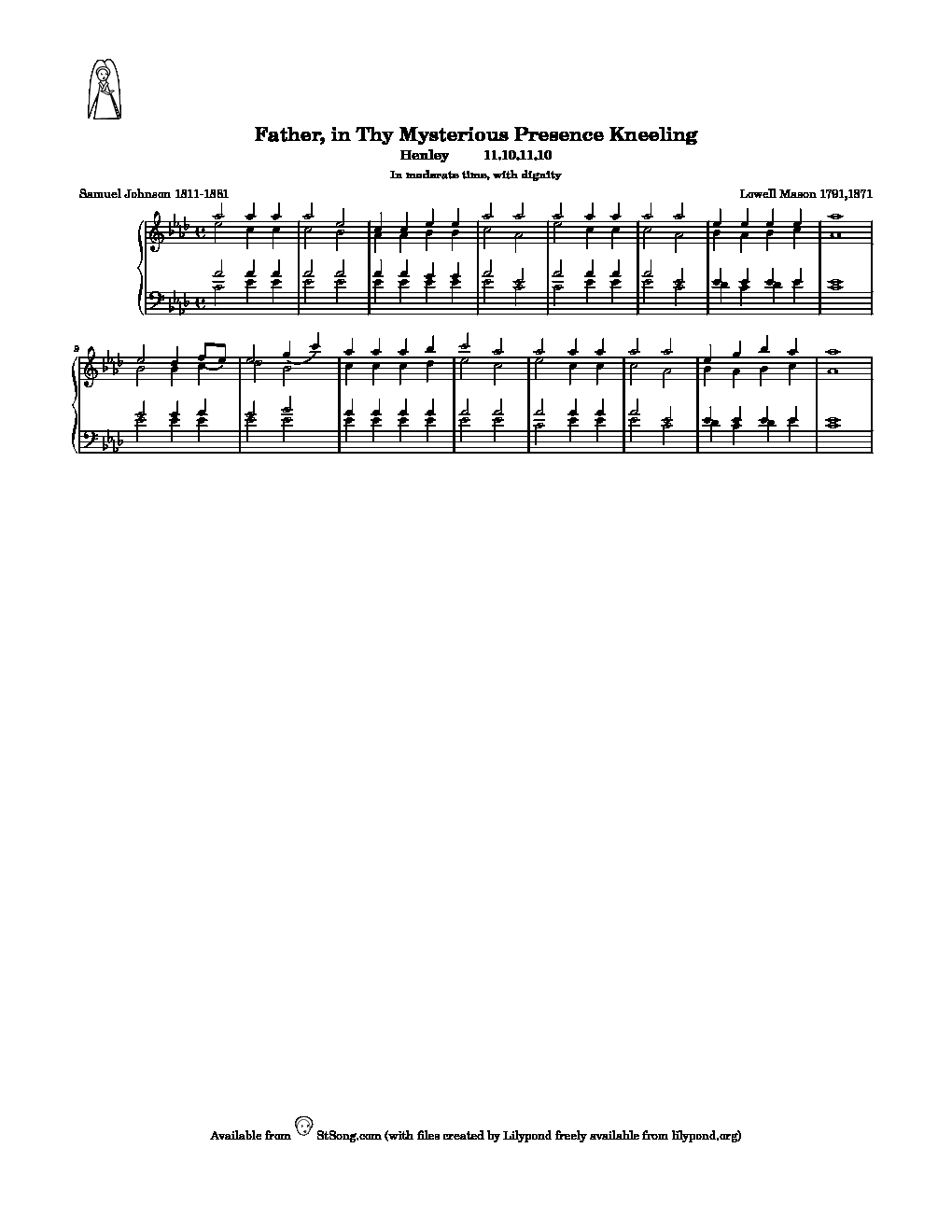
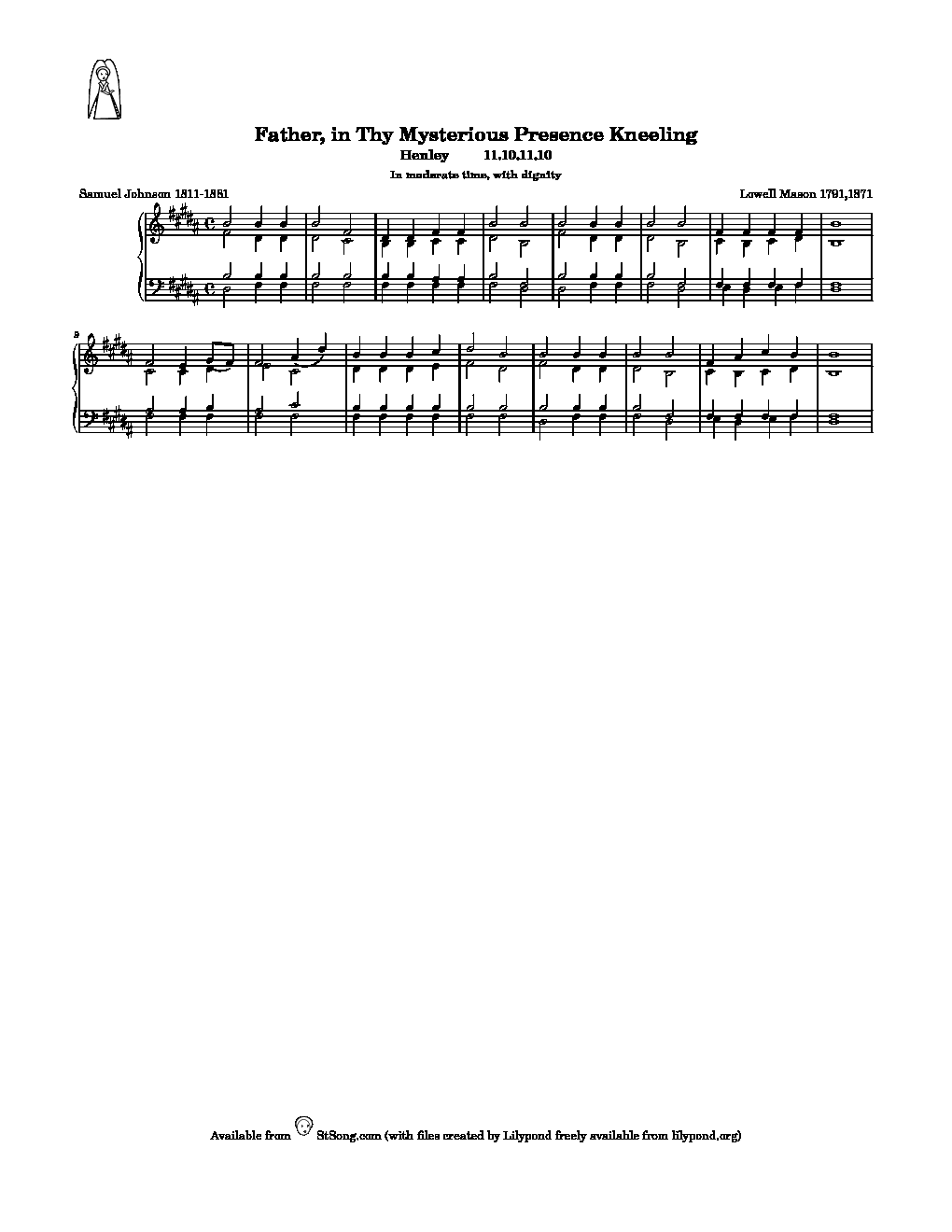
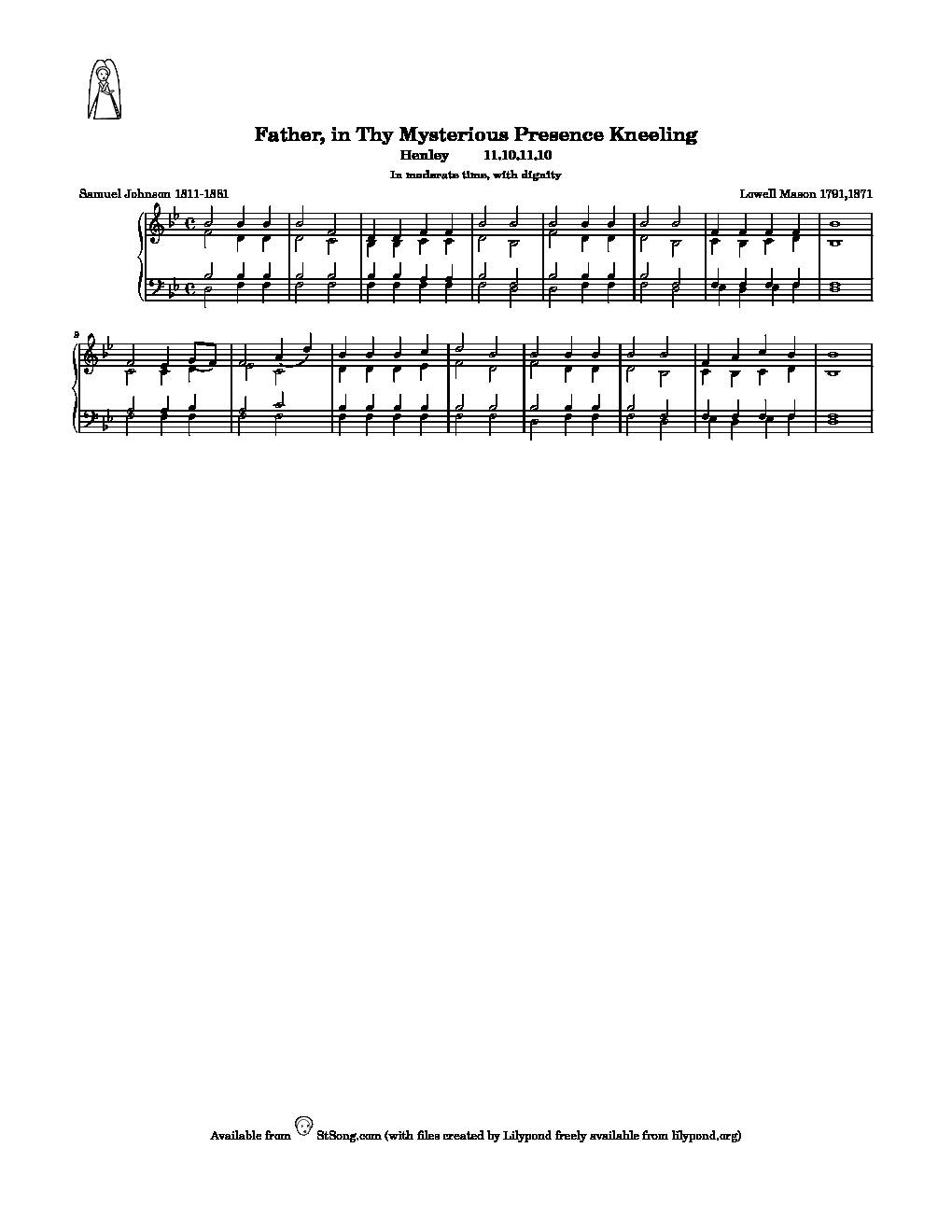
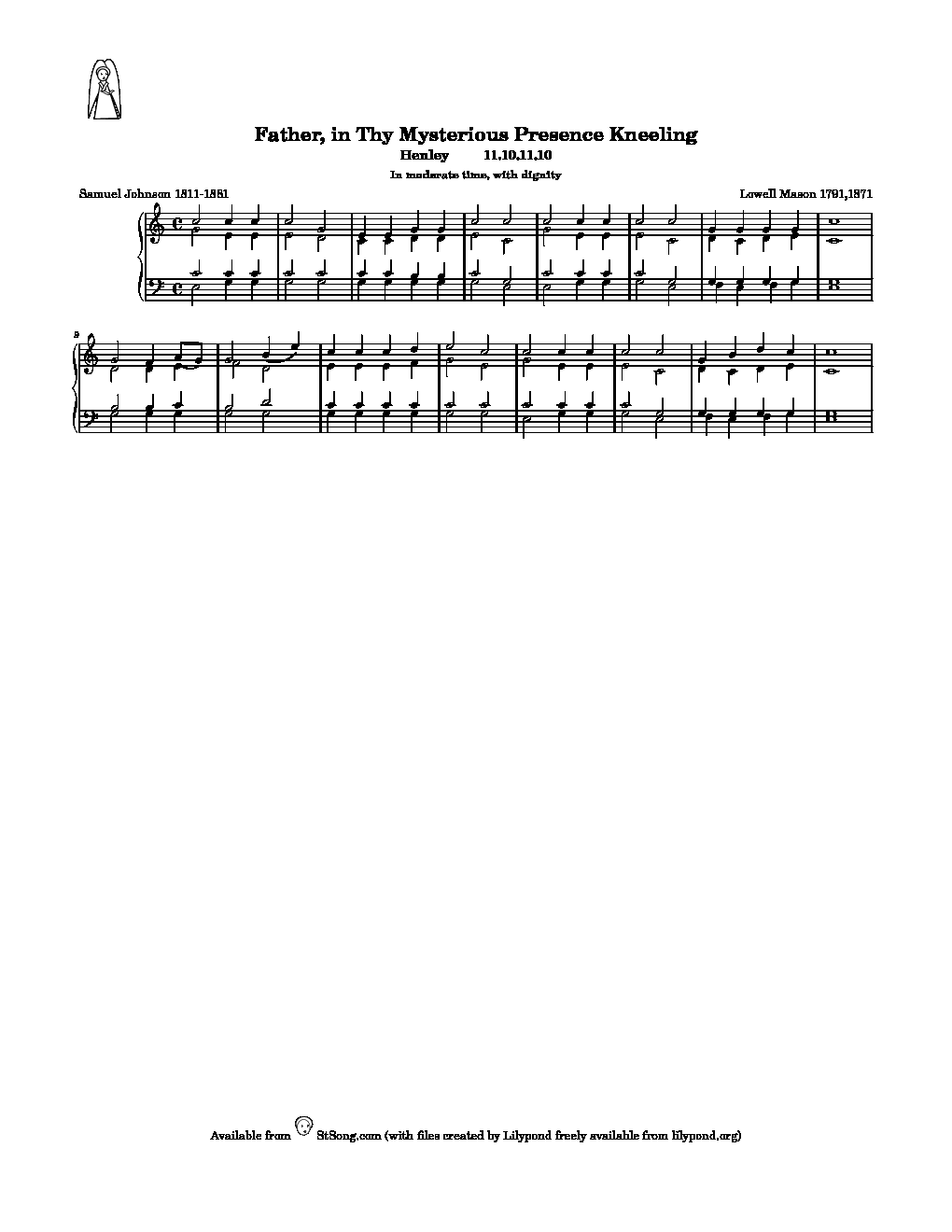
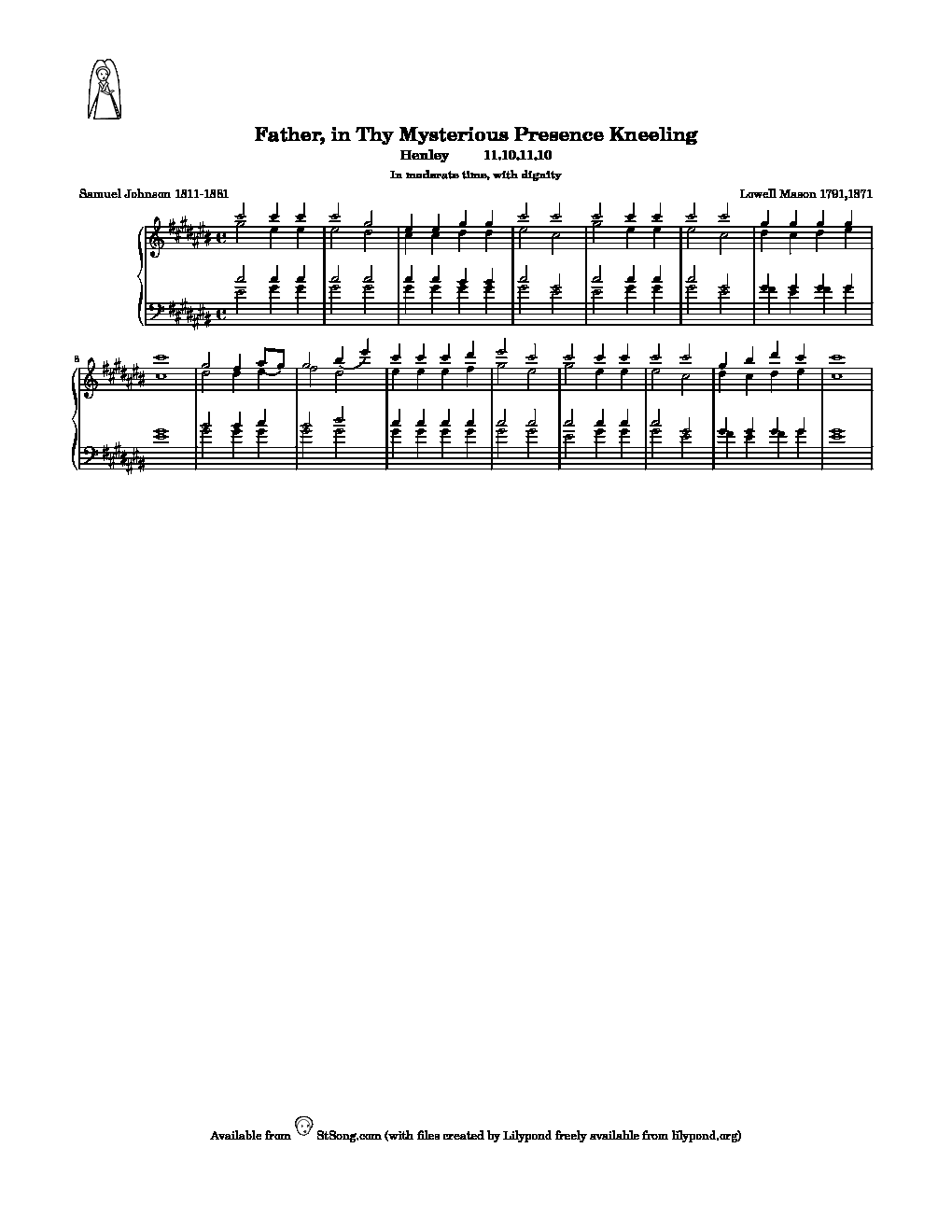
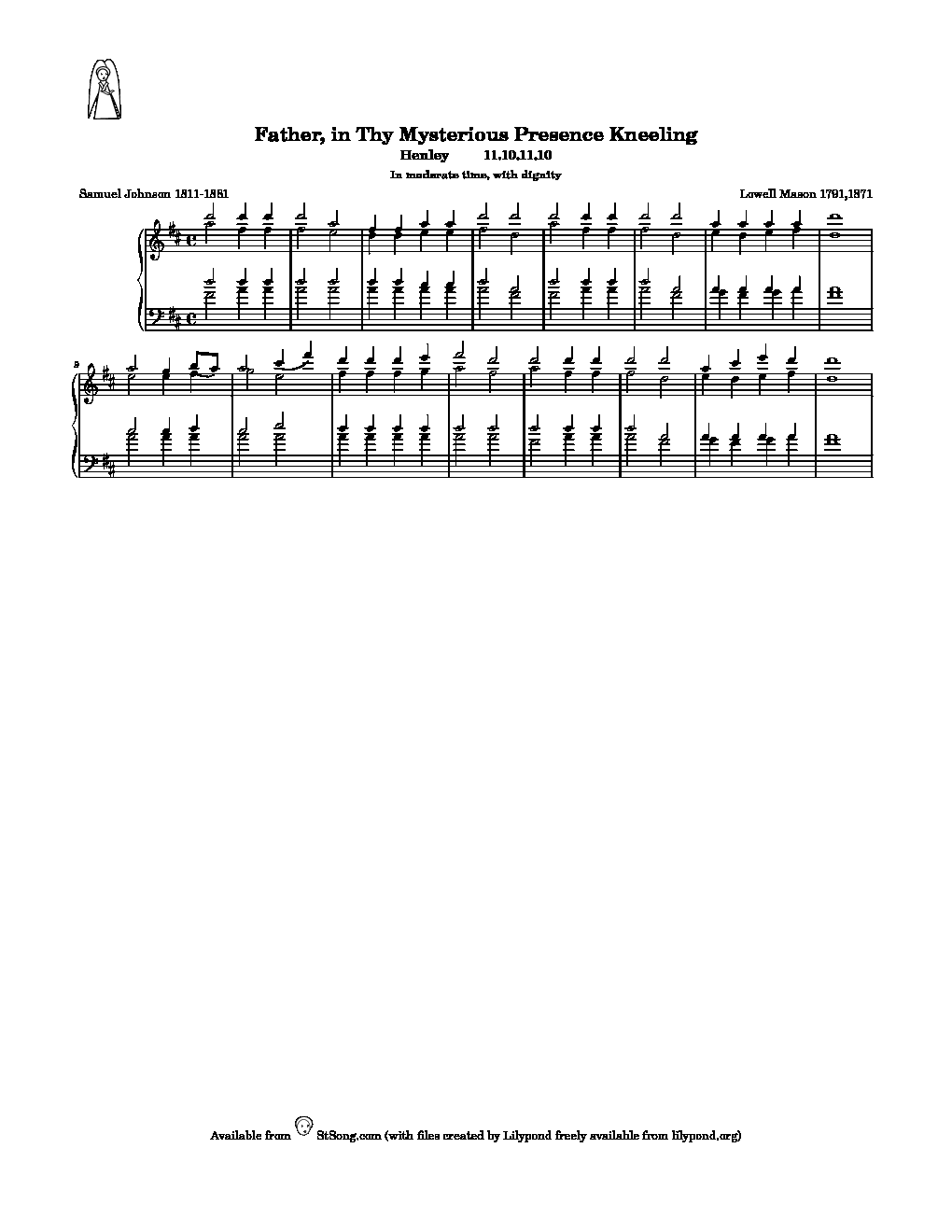
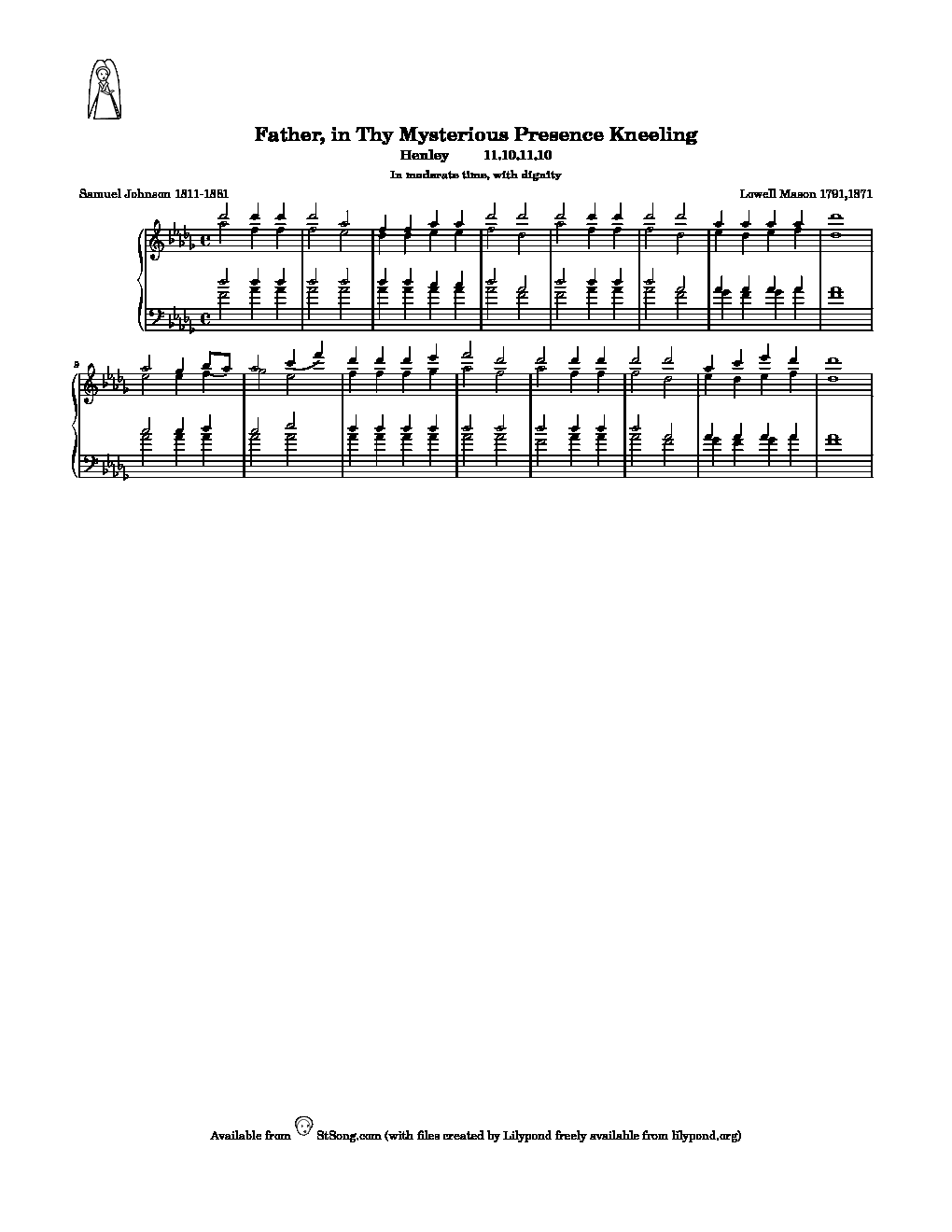
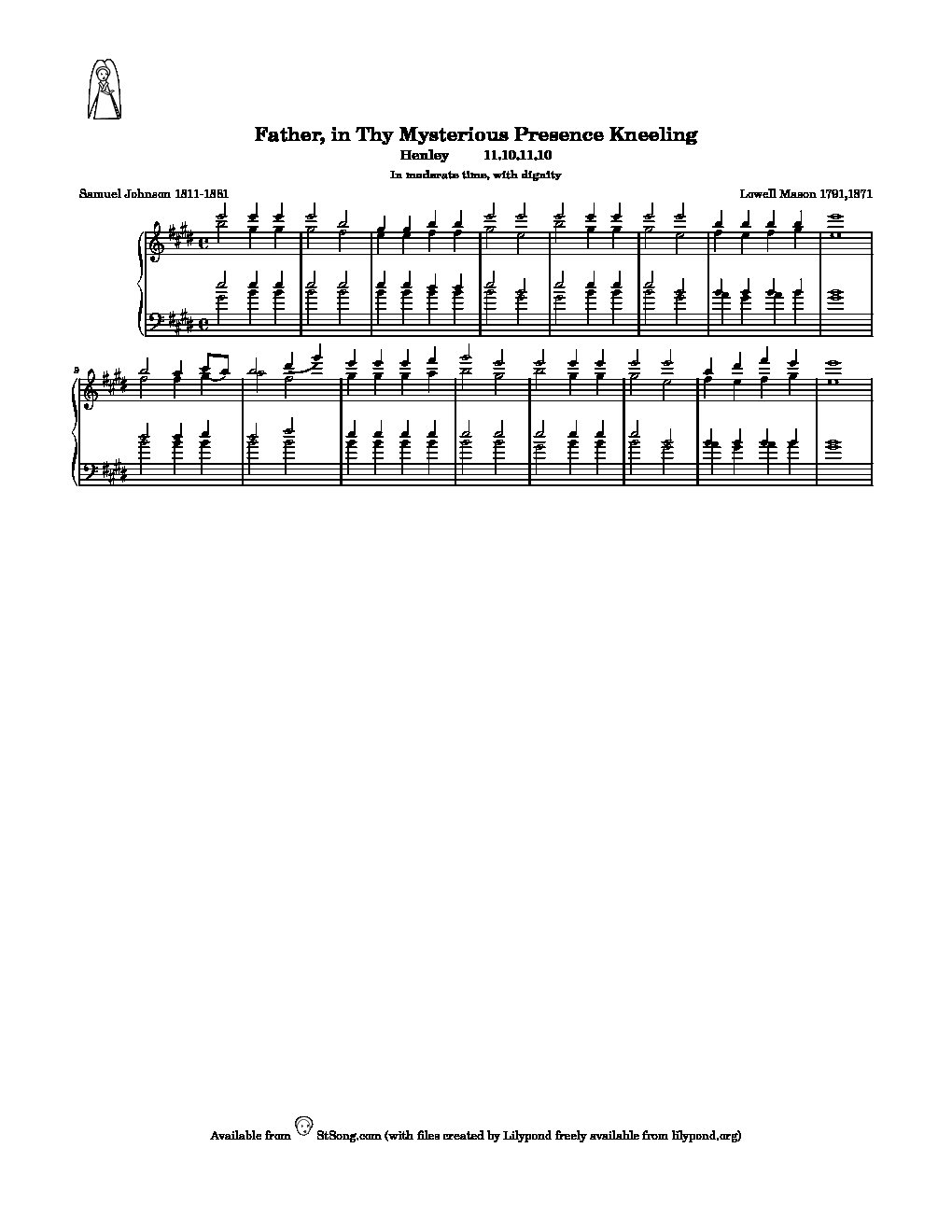
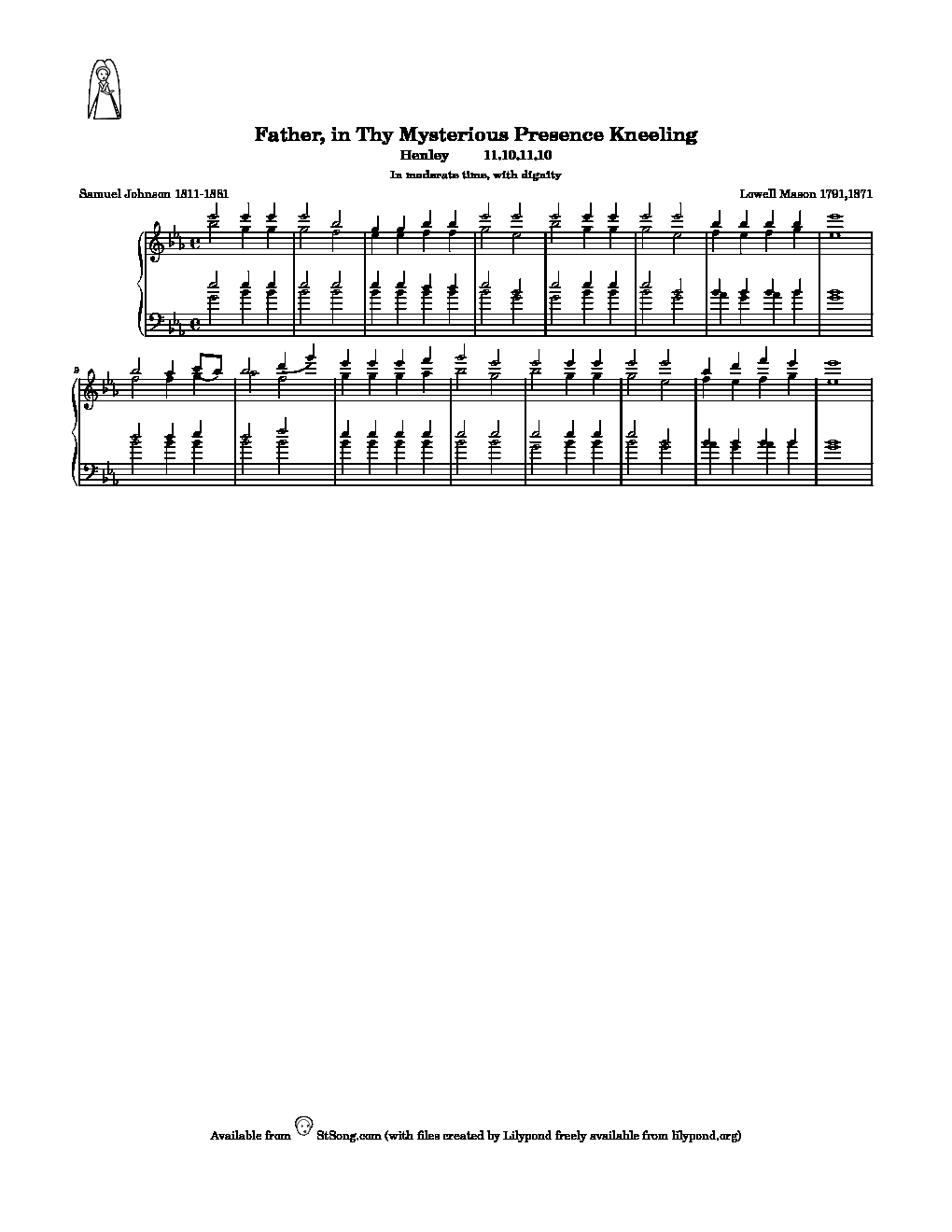
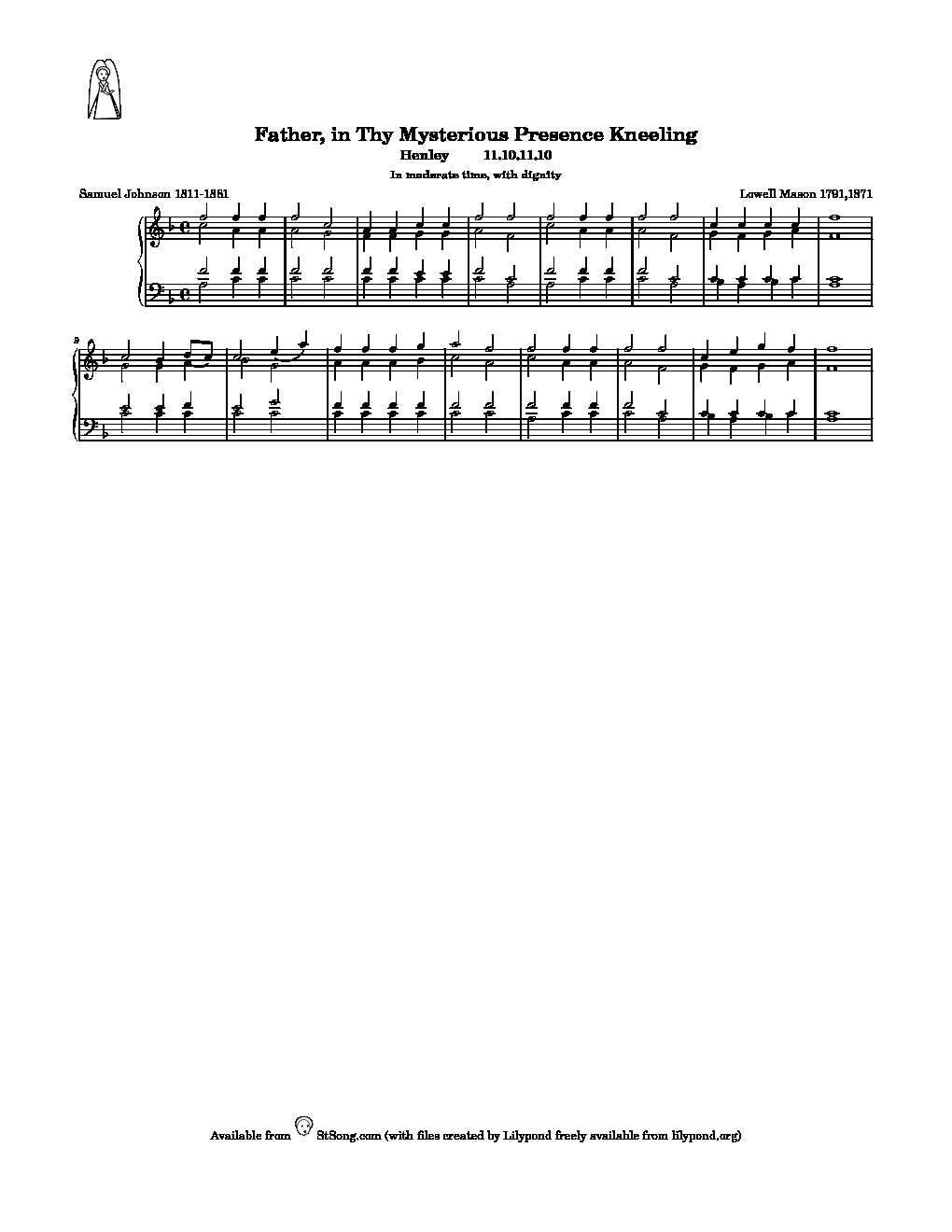
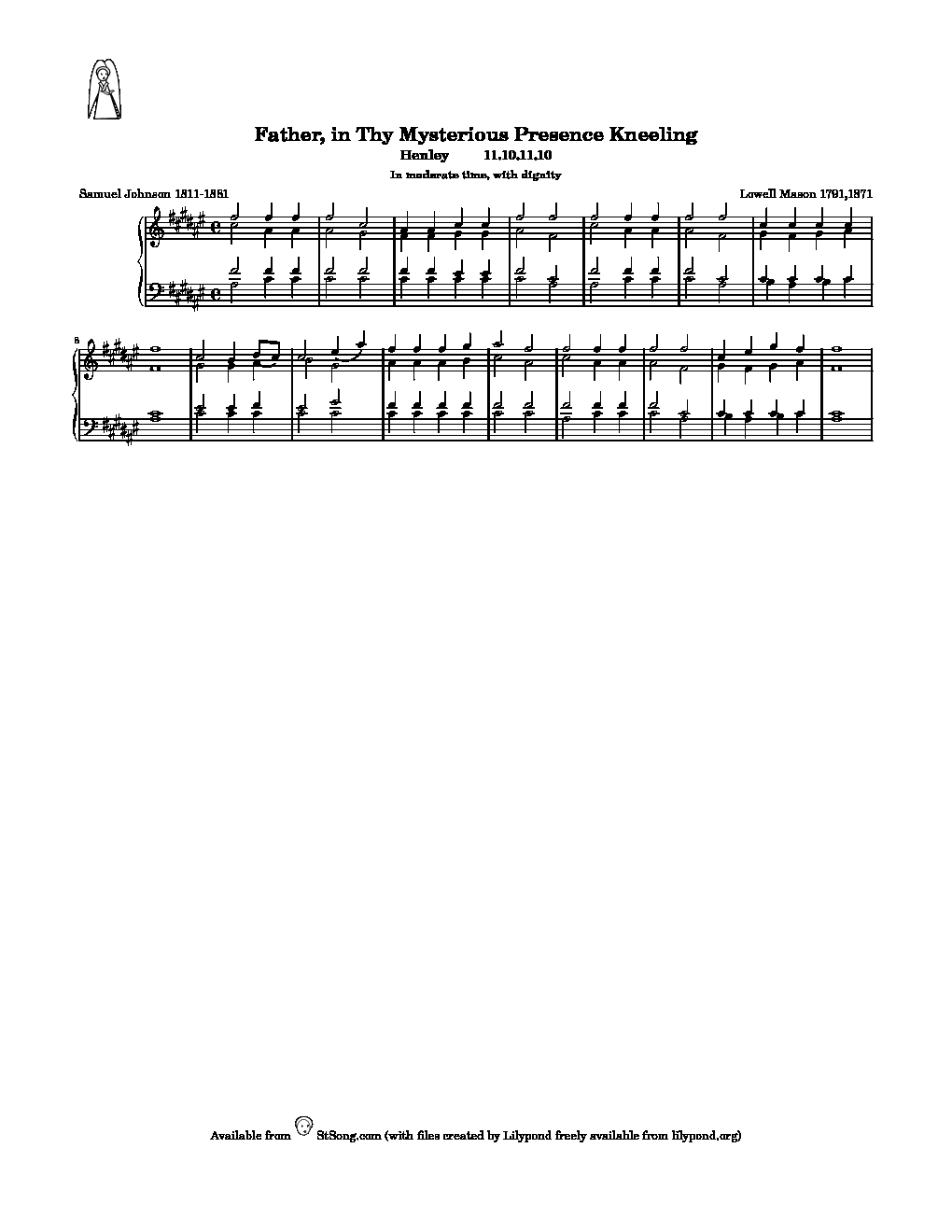
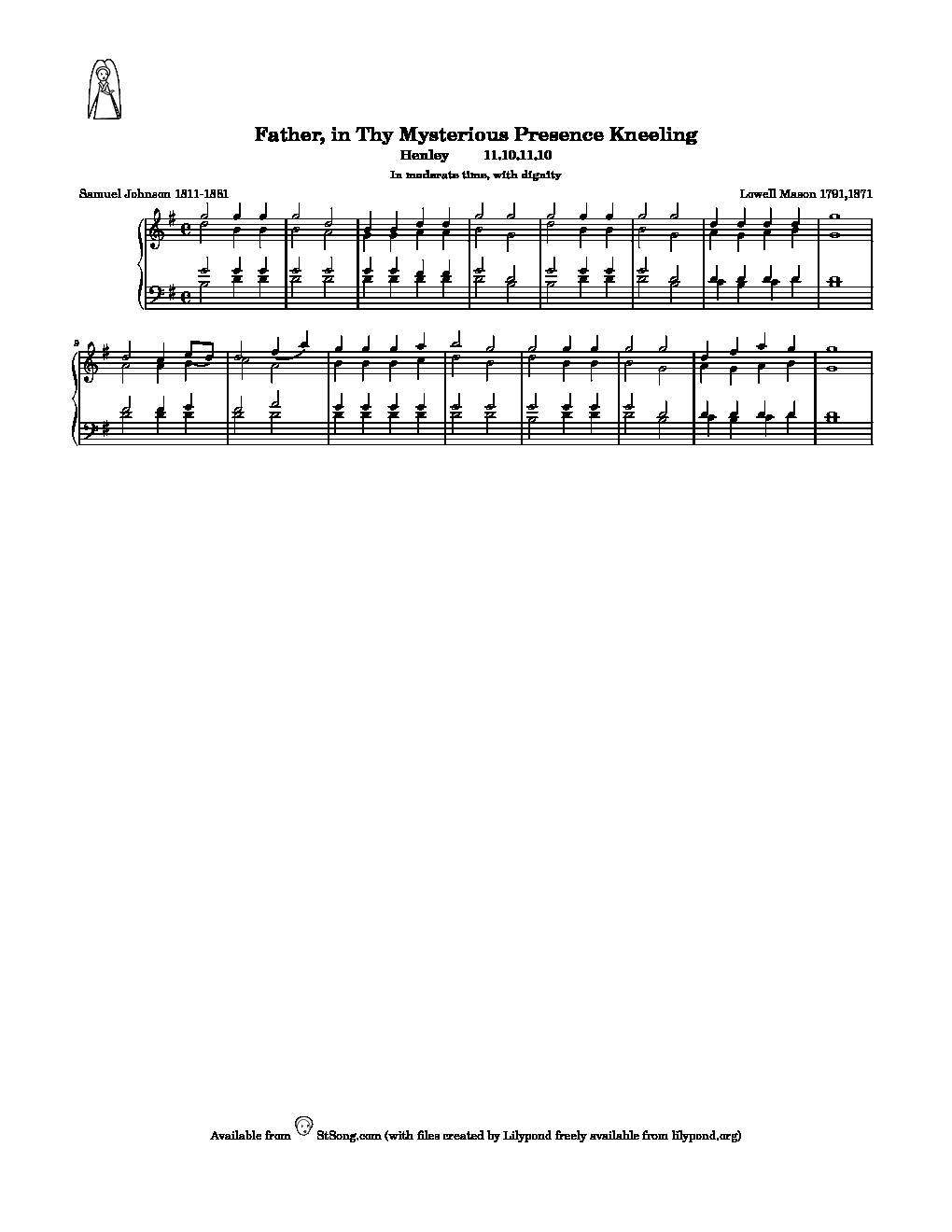
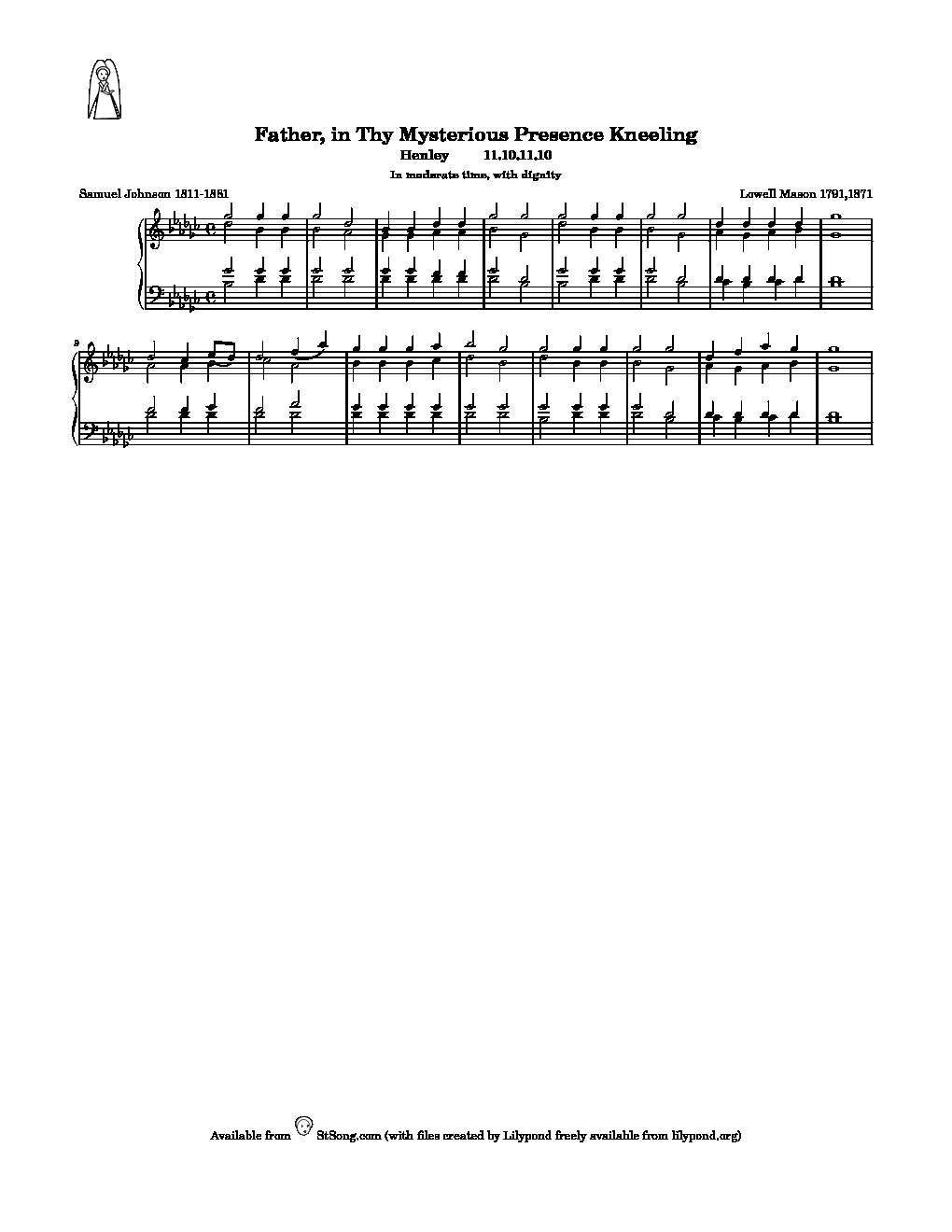
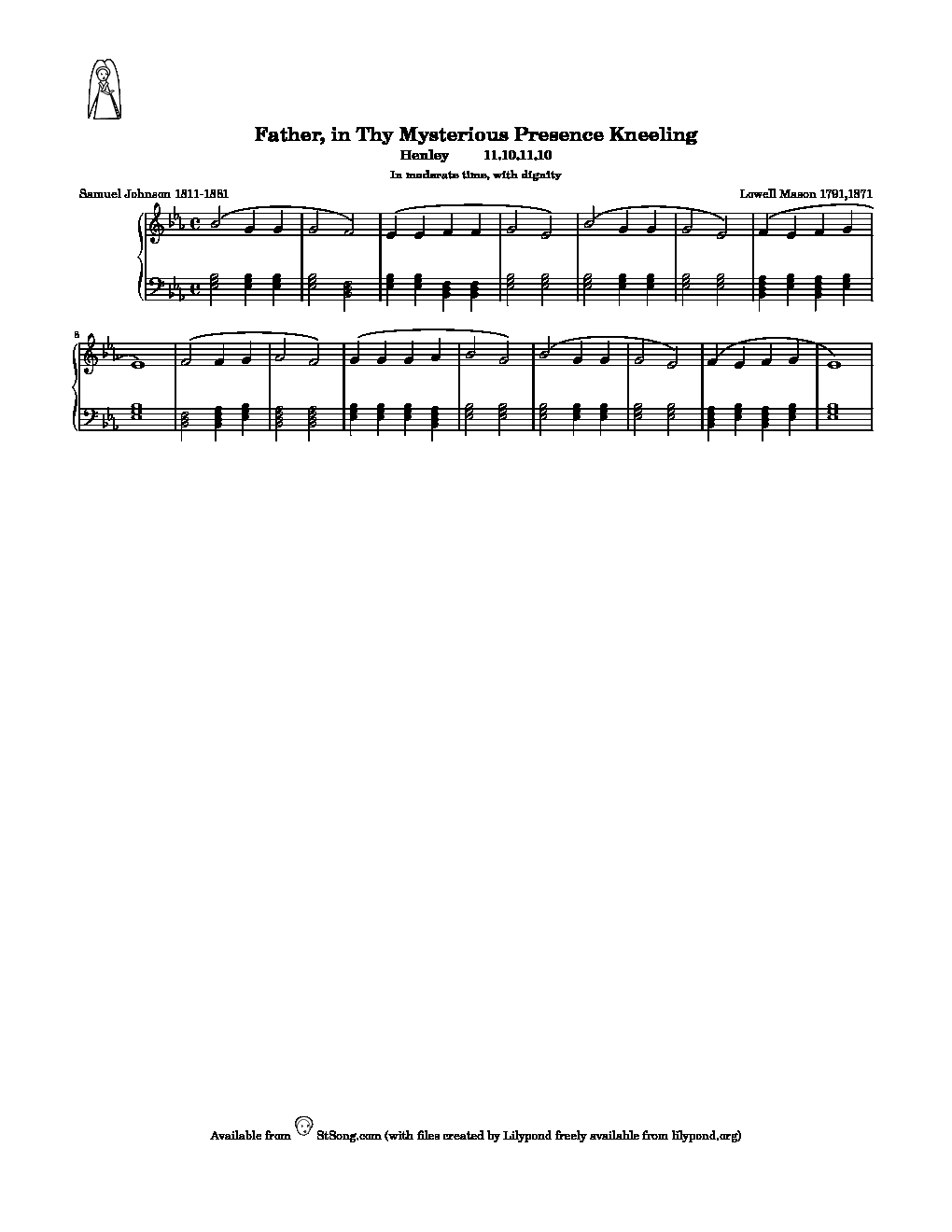
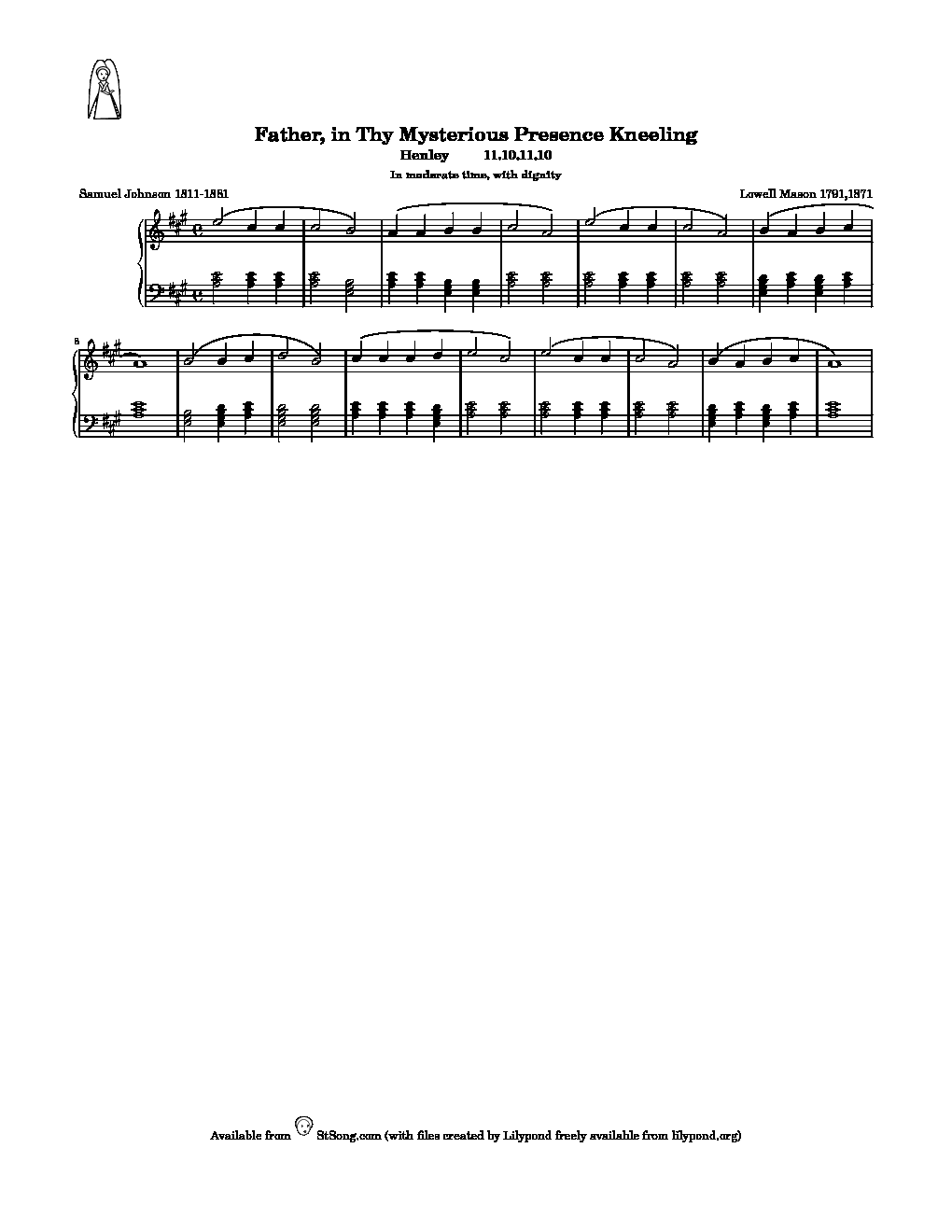
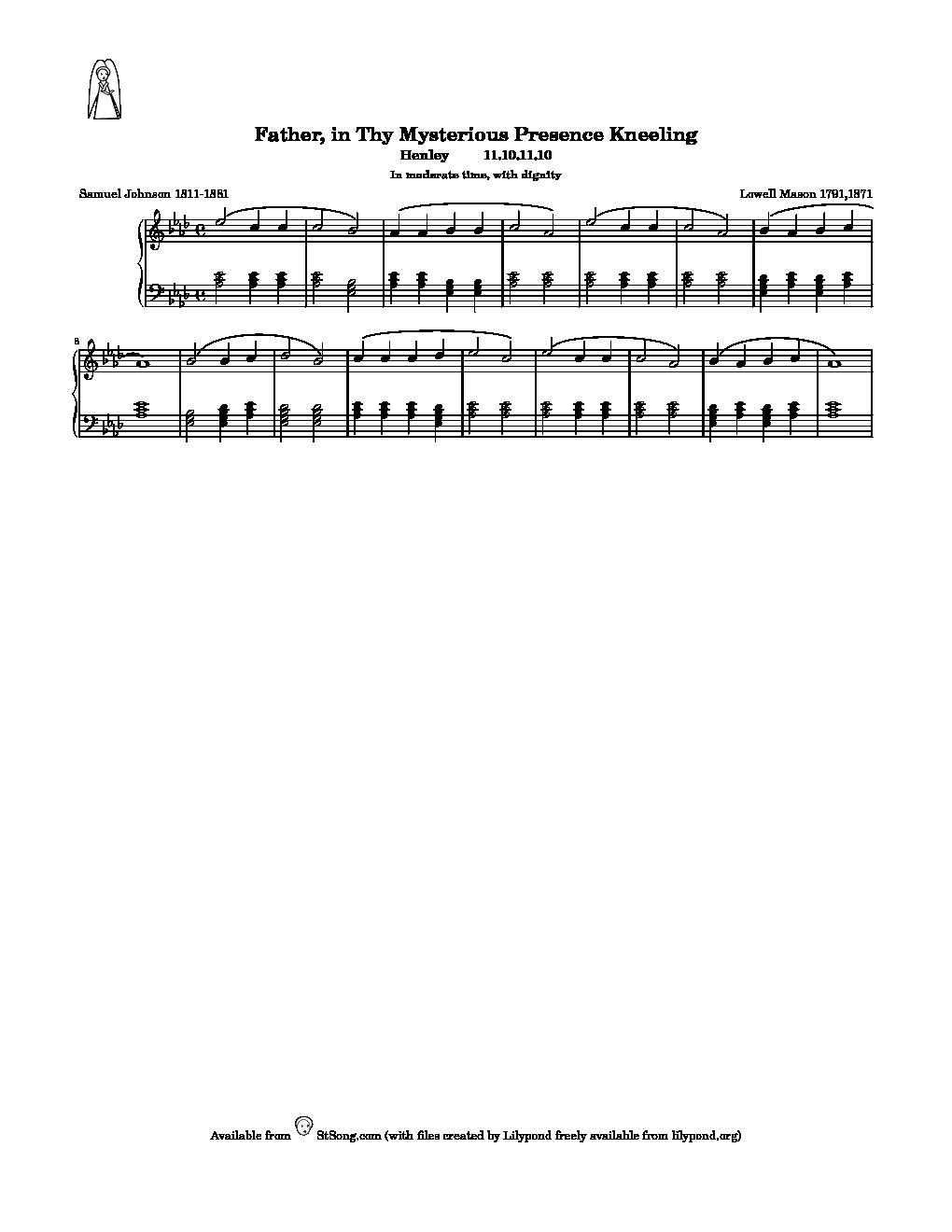
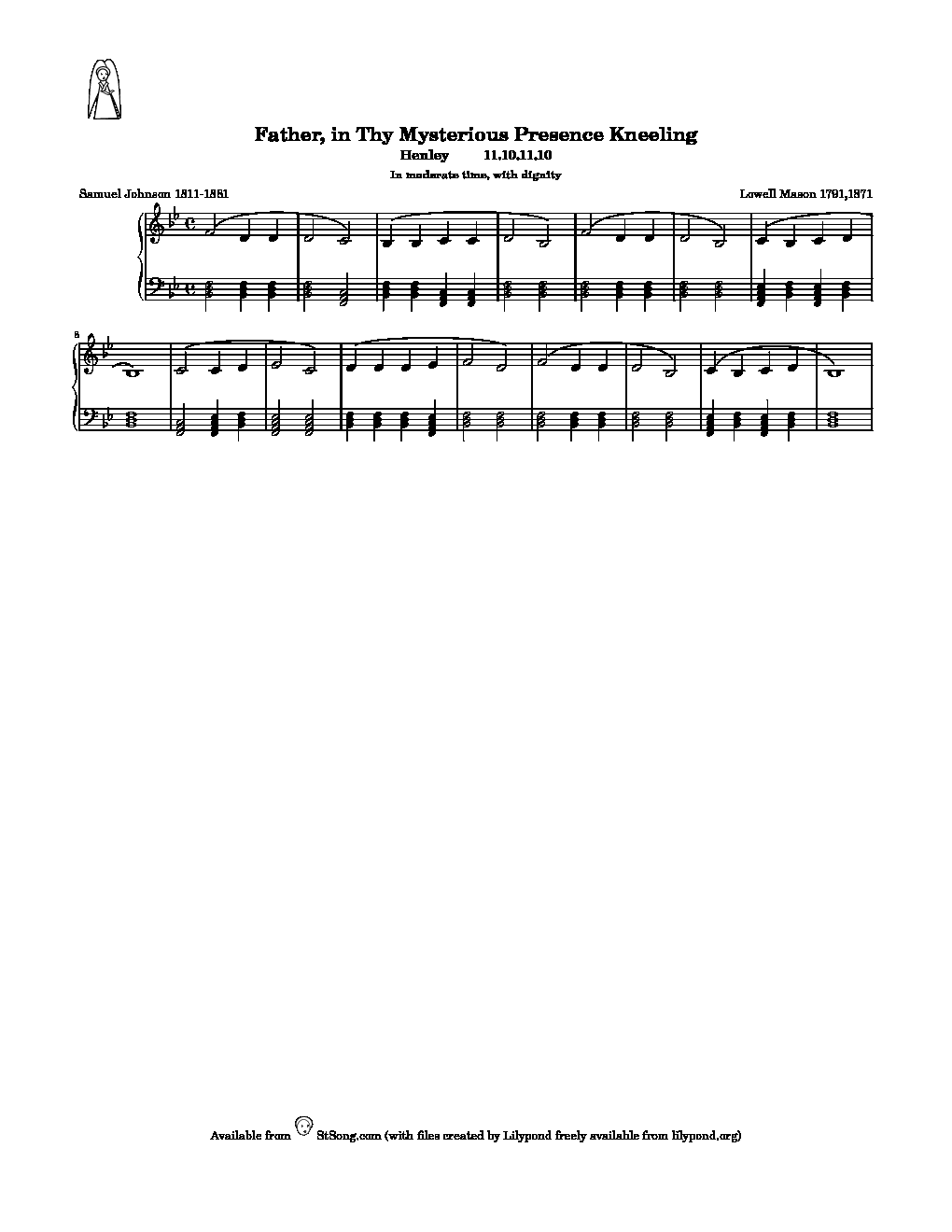
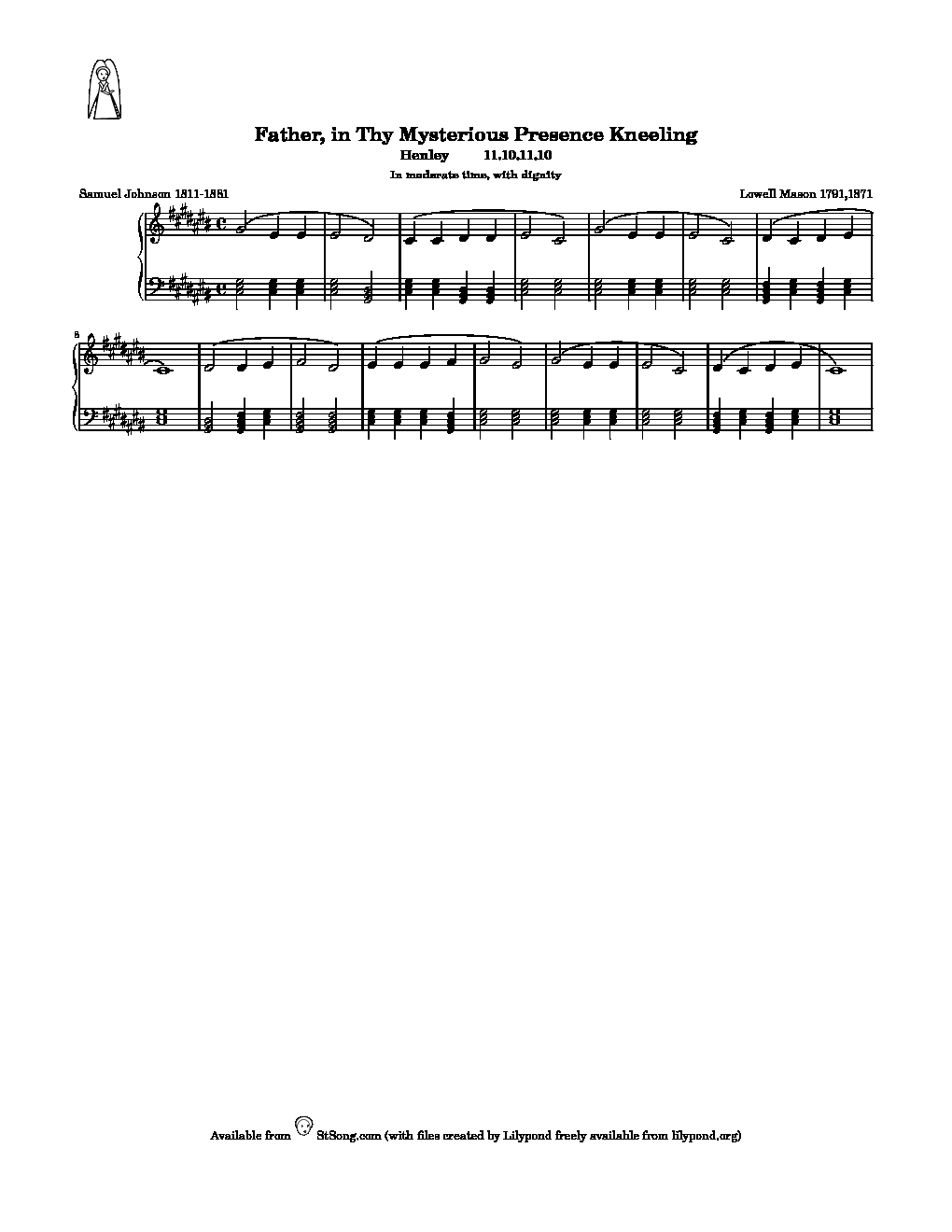
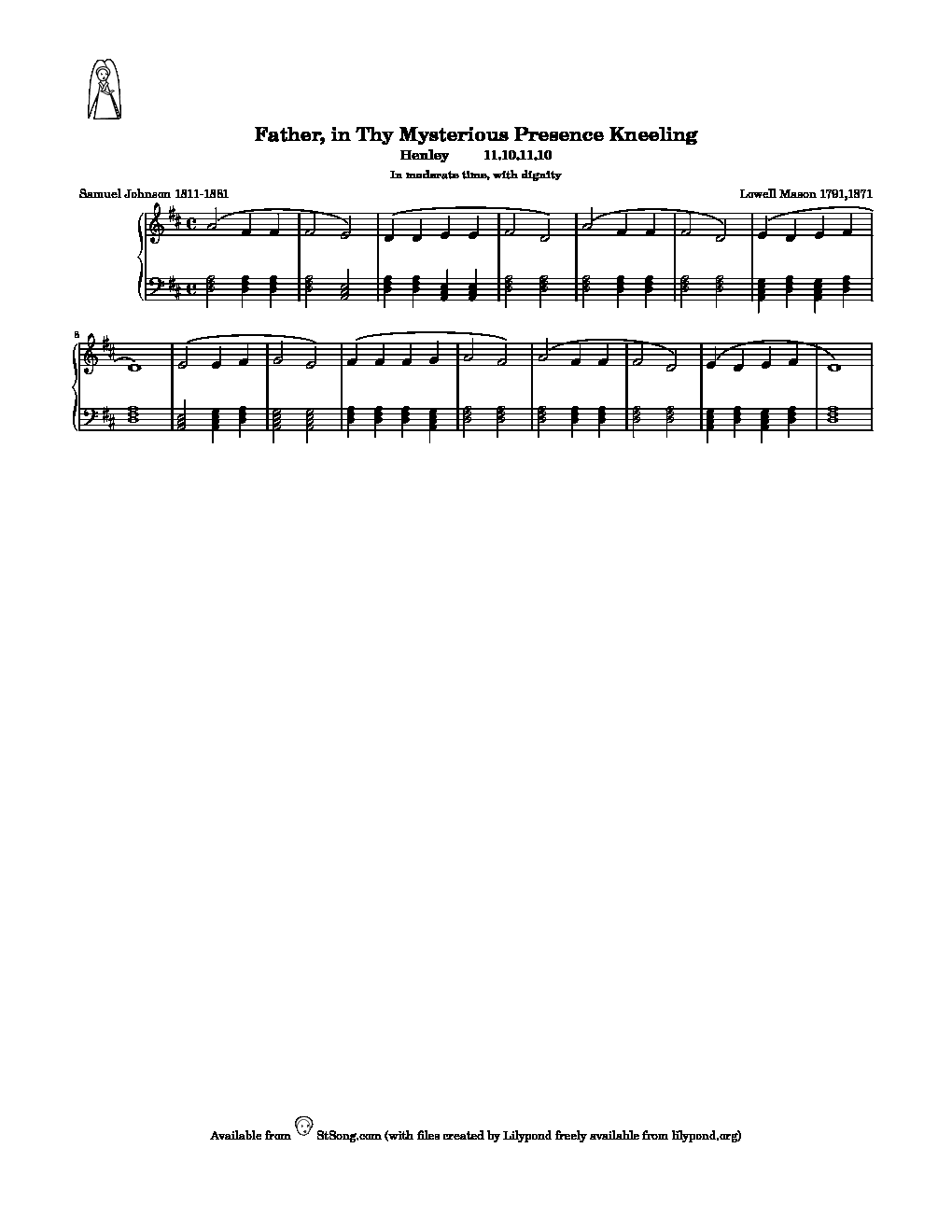
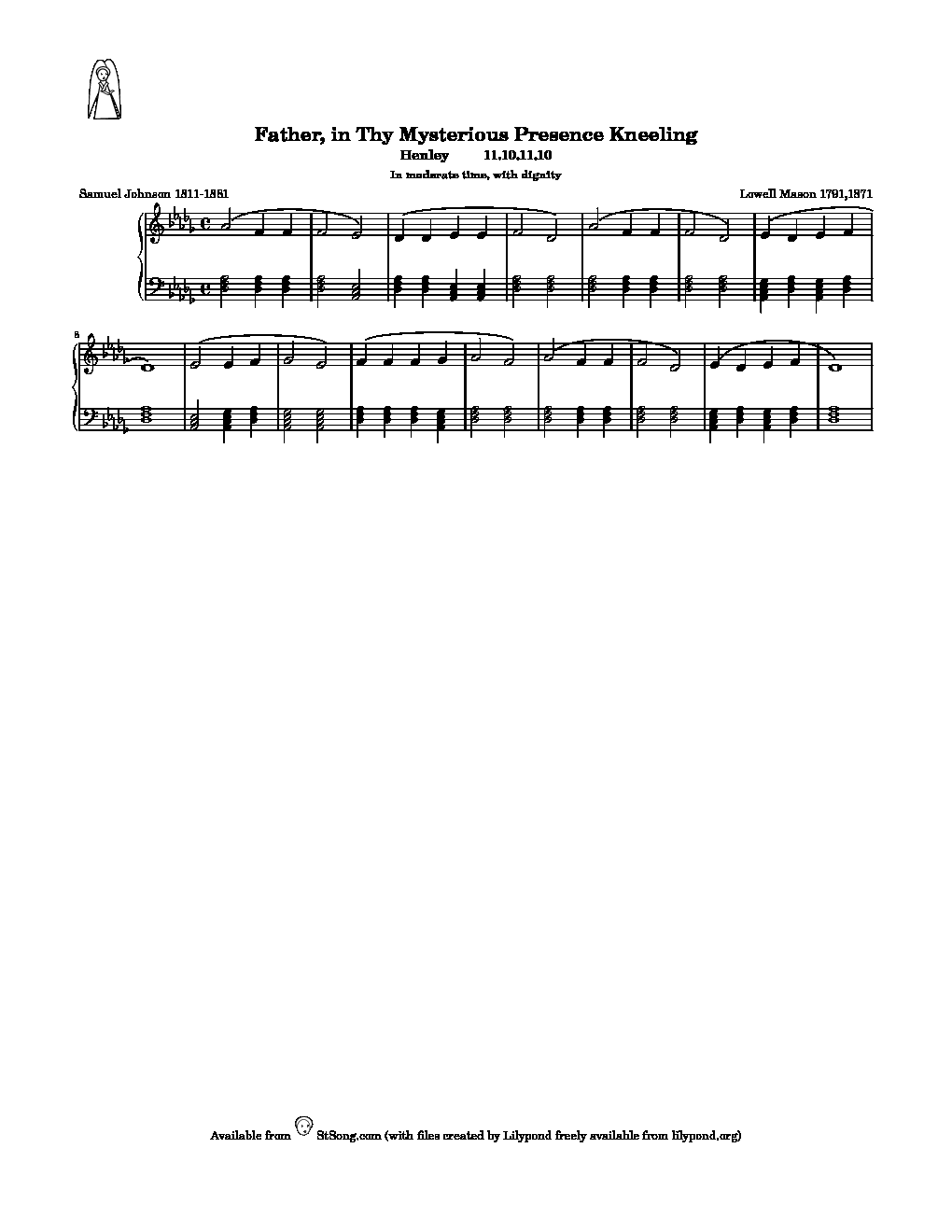
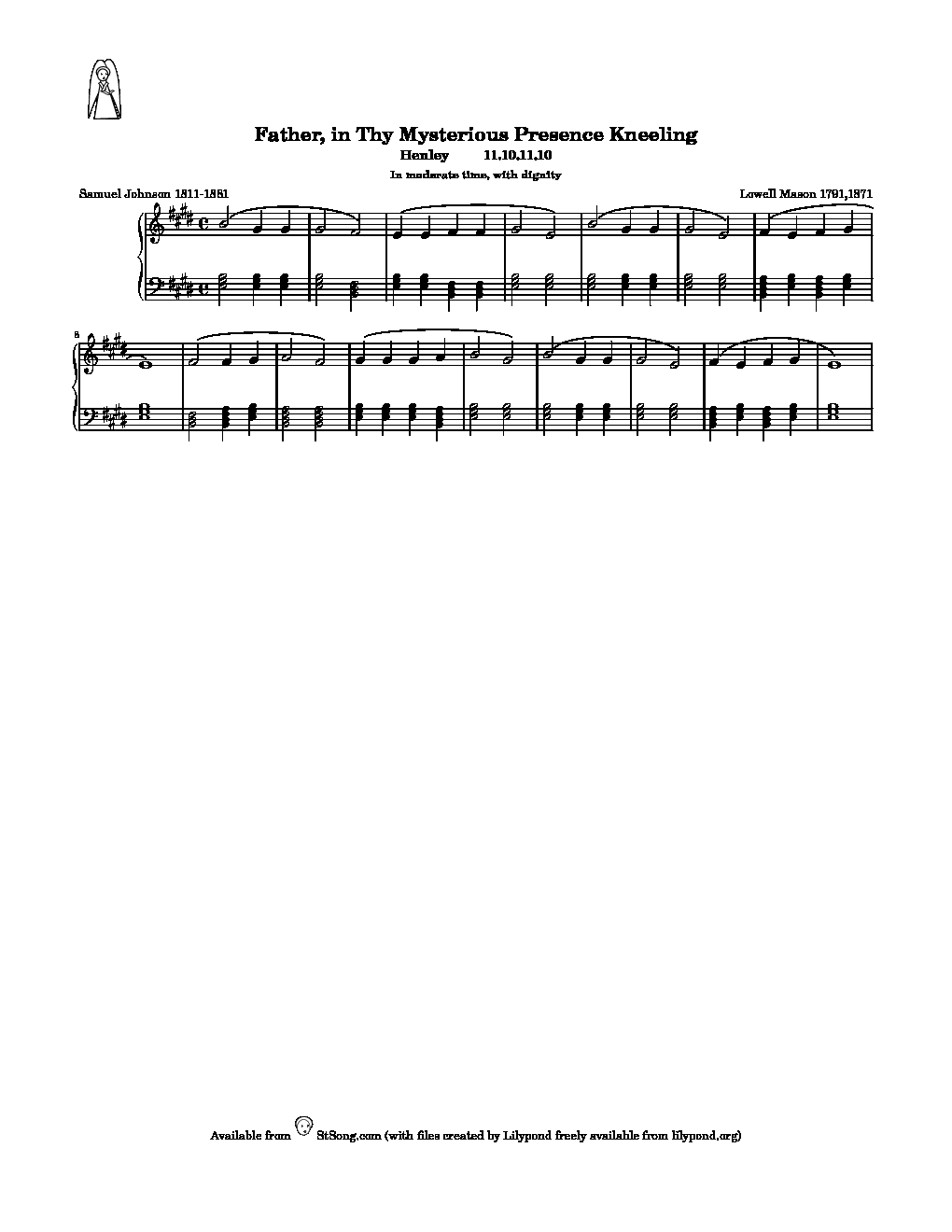
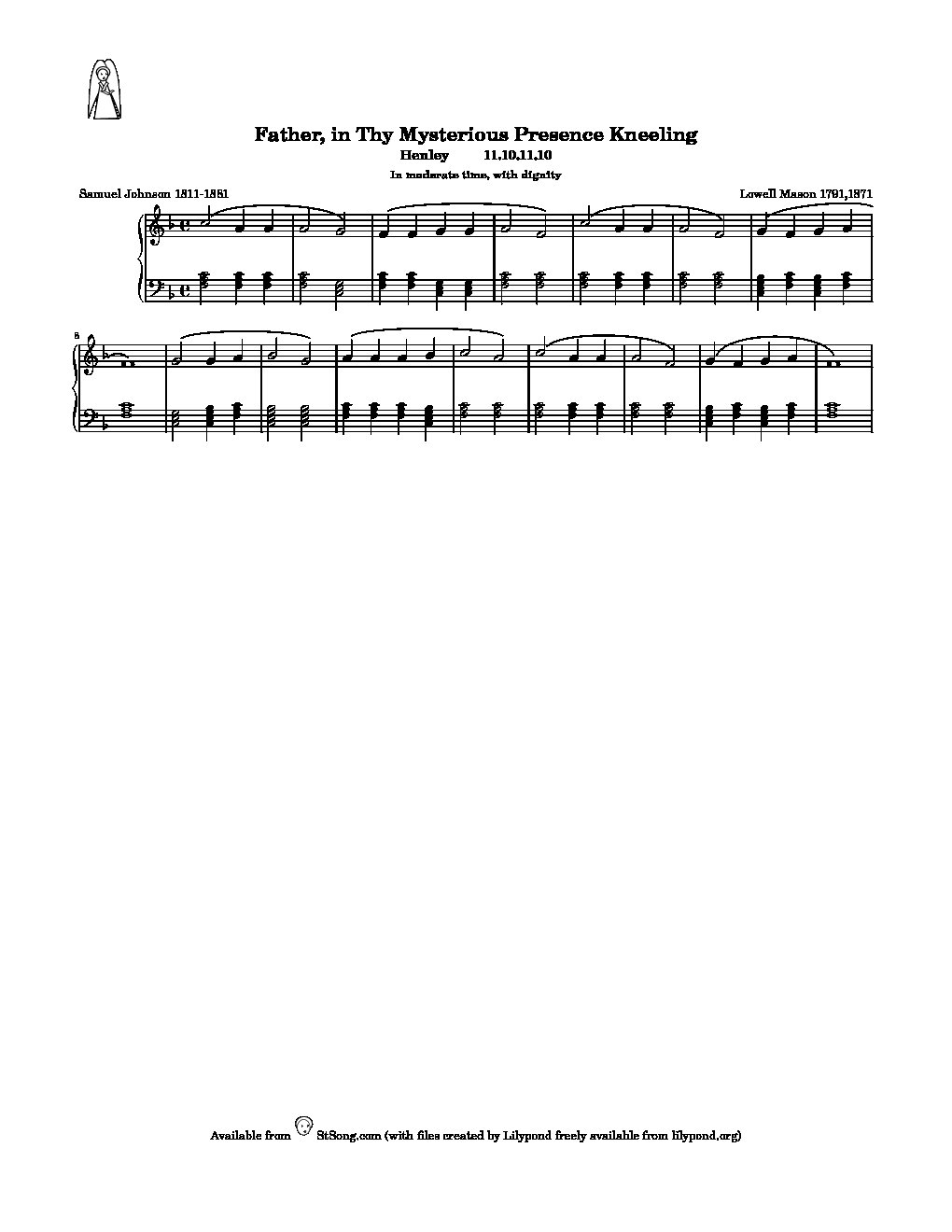
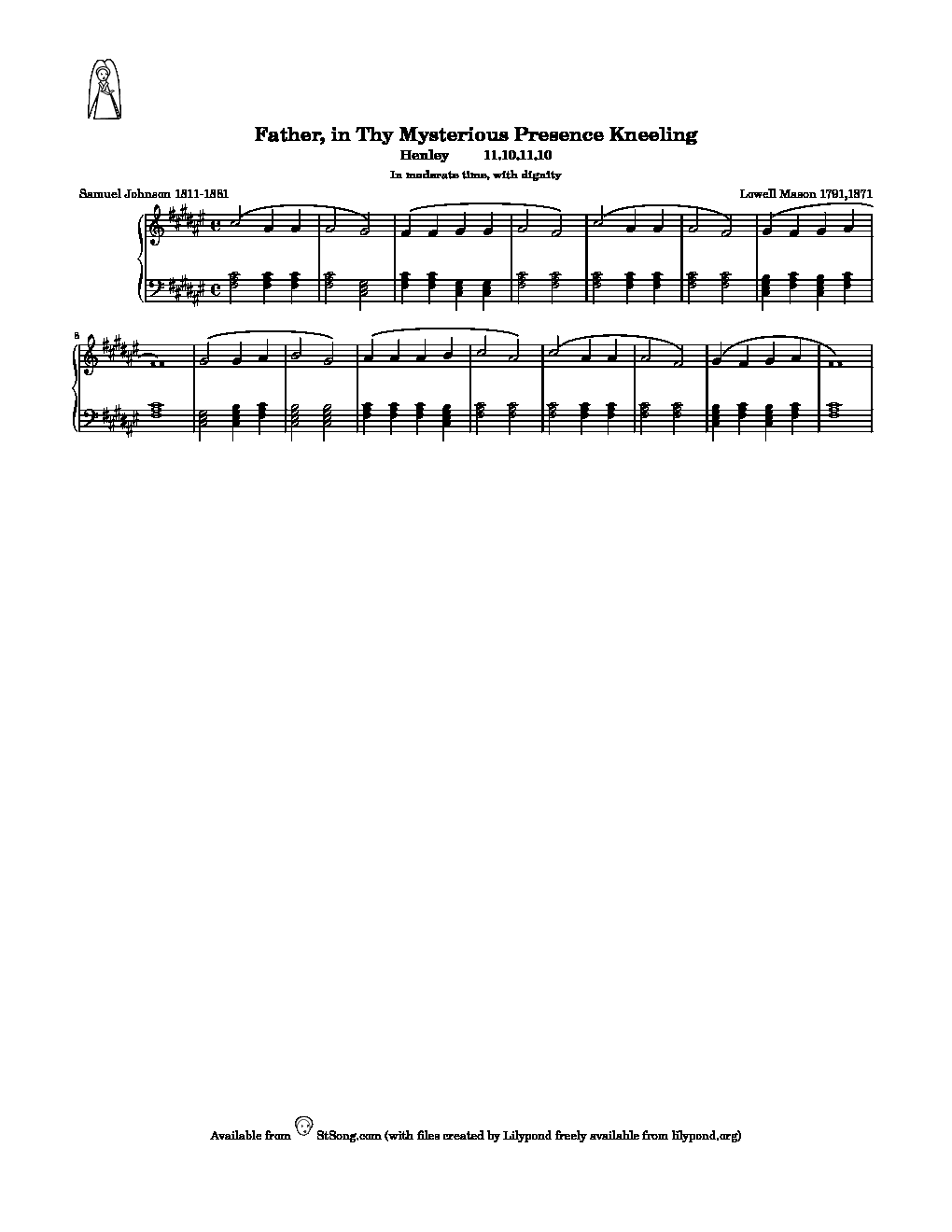
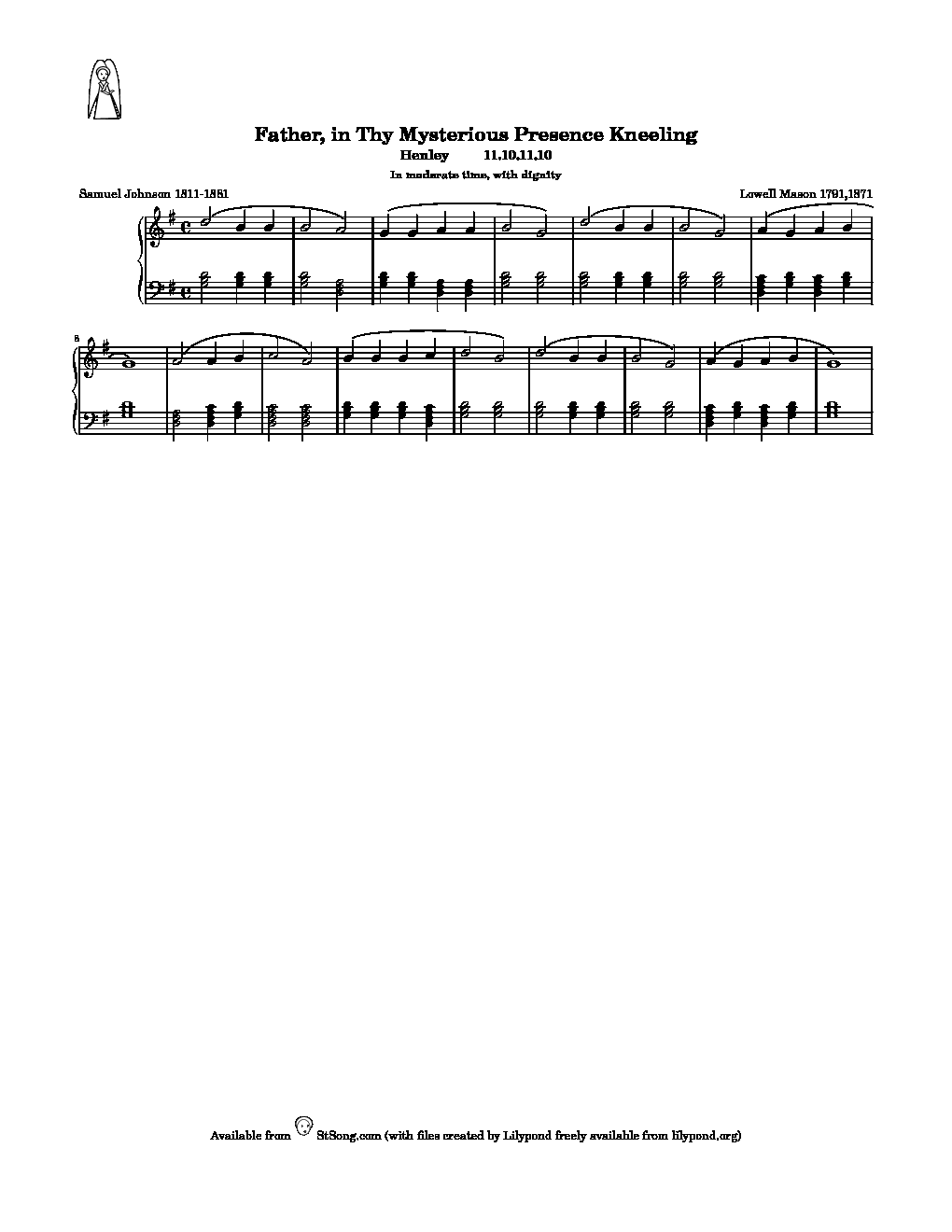
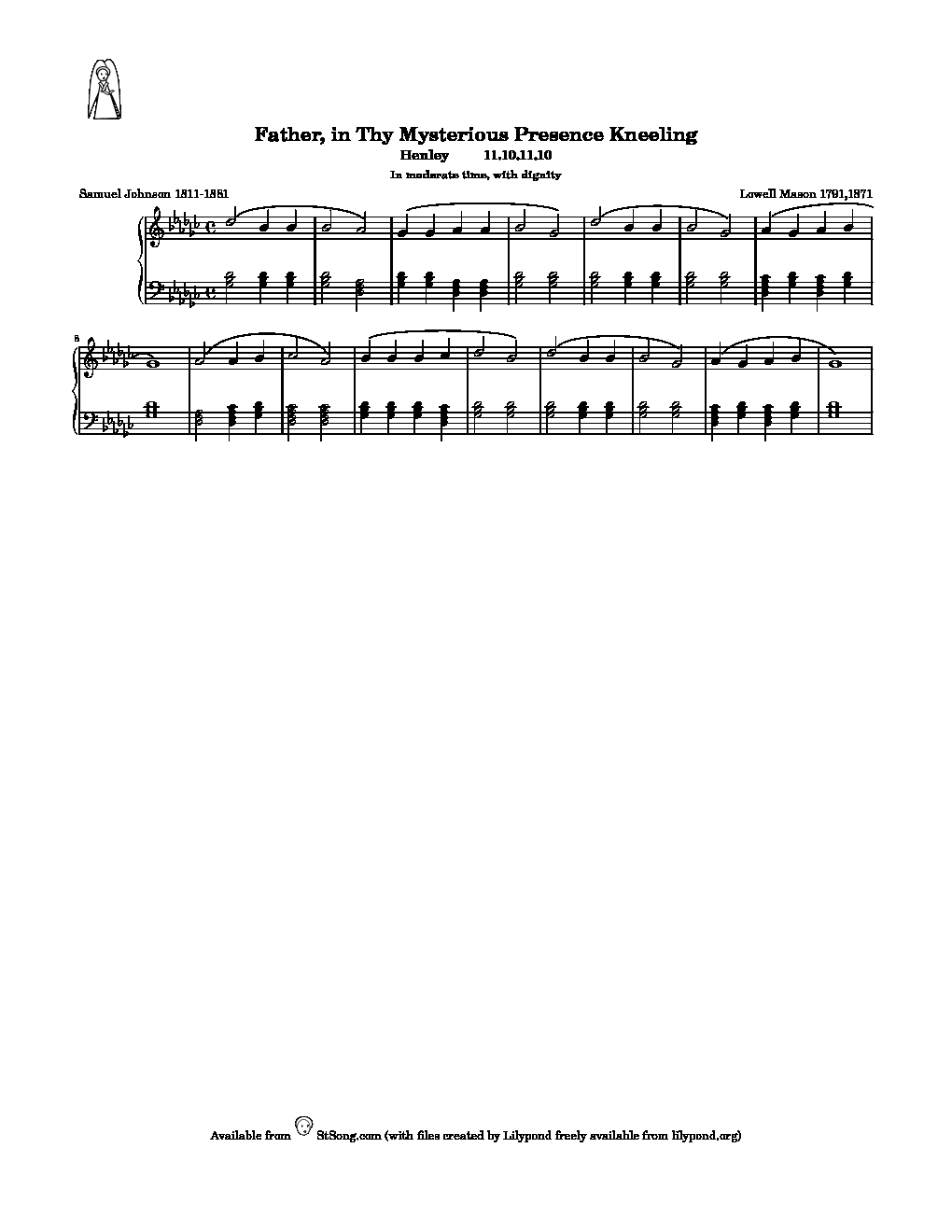
Father In Thy Mysterious Presence Kneeling by Samuel Johnson set to the tune Henley by Lowell Mason
Samuel Johnson
Father, In Thy Mysterious Presence Kneeling
Father, in Thy mysterious presence kneeling
Fain would our souls feel all Thy kindling love;
For we are weak, and need some deep revealing
Of trust and strength and calmness from above.

Lord, we have wandered forth through doubt and sorrow,
And thou hast made each step an onward one;
And we will ever trust each unknown morrow;
Thou wilt sustain us til its work is done.

In the heart's depths, a peace serene and holy
Abides; and when pain seems to have her will,
Or we despair, oh! may that peace rise slowly,
Stronger than agony, and we be still.

Now, Father, now in Thy dear presence kneeling,
Our spirits yearn to feel Thy kindling love;
Now make us strong; we need Thy deep revealing
Of trust and strength and calmness from above.
Meter: 11.10.11.10
Lowell Mason left us a mixed
inheritance. He is noted for
wanting to improve the worship
experience of the Americas, and
left us the mixed blessing of
making worship more bland.
Lowell Mason
was a prominent North American music educator and church musician.
He was instrumental in the practice of having worship
music be performed by the Presbyterian congregations instead of something
they listened to.
At the same time, his music generally emphasized the instrumental
accompaniments (namely pipe organ), and the melody lines, making
the other parts less interesting in general.
In his attempts to edify American church music,
he popularized classical European music, and even though he
helped establish congregational singing as the standard of
worship across denominational boundaries, he also helped
establish the boundaries of "High Church" music and "Backwoods
Church" music.
The results have been mixed. Probably without his influence
the Sacred Harp, Southern Gospel and
numerous other home grown styles of music would never have sprung
up diverged as much as they have and flourished.
Lawell Mason was a banker as well as a music director and hymn writer.
One thing that happened in his life, that would affect his banking career was the
panic of 1837
Samuel Johnson was a friend of
Samuel Longfellow.

See
Samuel Johnson at hymnallibrary.org

 and on wikipedia
Samul Johnson, Clergyman was a United States scholar born in Salem Massachussetts in 1822.
He, although well respected as a religious scholar, whose works appear in the hymnbooks of many denominations.
He displeased his congregation in Massachusetts because of his opposition to slavery, other than that, he remained denomination-free.
He established an independent society in 1853 in Lynn, Massachusetts where he remained seventeen years. He withdrew to work on his scholarly activities.
When he was born, Salem was diversifying its economic base. This brought social anxiety to many persons around
Samuel Johnson, and probably affected his spirituality.
https://www.nps.gov/articles/000/polish-salem-industry.htm
Downloading anything on this site in no way implies any liability to this site, the operators of this site
or any contributors to this site.
Everything on this site is free of any charges, and users may use anything on this site freely and
take responsiblity for what they do.